The grape varieties of South-West France
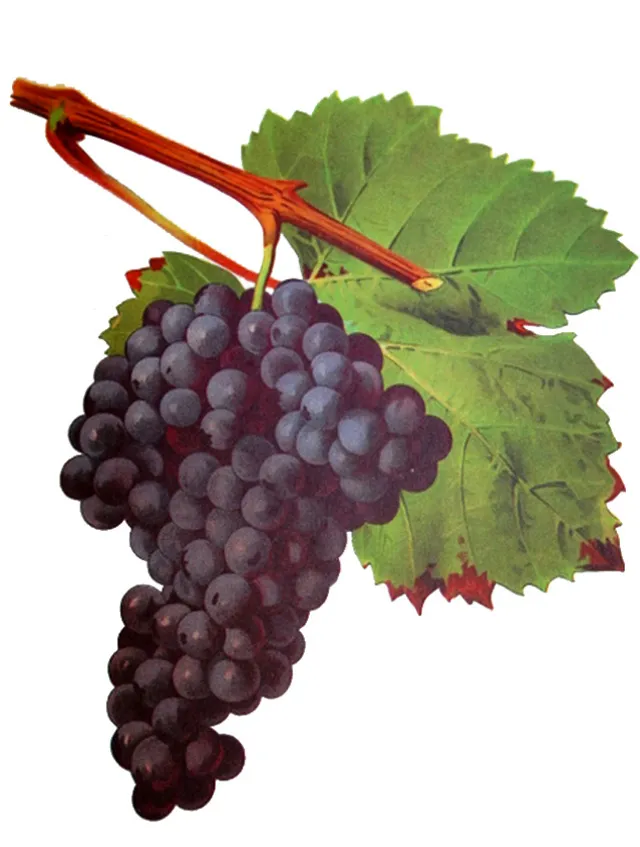
Main grapes: South-West France
- Tannat (black, France, South-West (Pyrenean foothills))
- Malbec (Côt) (black, France, Quercy (Lot))
- Négrette (black, France, South-West (between Toulouse and Albi))
- Fer servadou (black, France, South-West)
- Gros manseng (white, France, Pyrenean foothills (Béarn, Basque Country))
- Petit manseng (white, France, Pyrenean foothills (Béarn, Basque Country))
- Mauzac (white, France, South-West (Gaillac, Limoux))
- Len de l'El (white, France, South-West (Gaillac))
- Duras (black, France, Tarn (Gaillac))
Secondary and minor grapes
- Merlot (black, France, Bordeaux (Libournais))
- Cabernet franc (black, France, South-West (Libournais probable))
- Cabernet sauvignon (black, France, Bordeaux area)
- Sémillon (white, France, Bordeaux region)
- Sauvignon blanc (white, France, Loire Valley or South-West France)
- Colombard (white, France, Charentes)
- Ugni blanc (white, Italy, central Italy)
- Prunelart (black, France, Tarn (Gaillac))
- Manseng noir (black, France, Pyrénées-Atlantiques (Jurançon, Béarn))
- Syrah (black, France, northern Rhône Valley)
Other grapes grown: Courbu, Petit courbu, Camaralet, Lauzet, Arrufiac, Baroque, Ondenc, Muscadelle, Abouriou, Braucol (fer servadou), Pinenc (fer servadou), Négret de Banhars, Bouysselet, Tardif.
The region of indigenous grapes
Wine-growing South-West France brings together vineyards scattered between the Bergeracois, the Pyrenees and the Aveyron. It has no dominant grape at regional level: almost every appellation has been built on a local grape. It is the French region that preserves the greatest diversity of indigenous varieties, many of which are presented in the guide the forgotten grapes of South-West France.
The main areas
- Bergeracois and Marmandais: Bergerac, Monbazillac, Pécharmant, Côtes de Duras, Côtes du Marmandais, close to Bordeaux in their grape varieties.
- Haut-Pays: Cahors, Fronton, Gaillac, Buzet, Brulhois, Coteaux du Quercy.
- Aveyron: Marcillac, Entraygues - Le Fel, Estaing, Côtes de Millau.
- Pyrenean foothills and Gascony: Madiran, Pacherenc du Vic-Bilh, Saint-Mont, Tursan, Béarn, Jurançon, Irouléguy, and the Côtes de Gascogne IGP.
Grapes by main appellation
| Appellation | Colour | Dominant grape(s) | Complements |
|---|---|---|---|
| Cahors | Red | Malbec (at least 70%) | Merlot, tannat |
| Madiran | Red | Tannat (at least 60%) | Cabernet franc, cabernet sauvignon, fer servadou |
| Fronton | Red, rosé | Négrette (at least half of the plantings) | Fer servadou, cabernets, syrah, gamay, among others |
| Marcillac | Red | Fer servadou (mansois), large majority | Cabernets, merlot |
| Gaillac | Red | Duras, fer servadou (braucol), syrah | Prunelart, cabernets, merlot, gamay |
| Gaillac | White | Mauzac, len de l’el, muscadelle | Ondenc, sauvignon |
| Jurançon | Dry and sweet white | Gros manseng, petit manseng | Courbu, camaralet, lauzet |
| Pacherenc du Vic-Bilh | Dry and sweet white | Mansengs, arrufiac, courbu | Petit courbu |
| Irouléguy | Red, rosé, white | Tannat, cabernets; mansengs, courbu | |
| Bergerac, Monbazillac | Red, white | Bordeaux grapes | Sémillon, sauvignon, muscadelle for the whites |
| Tursan | White | Baroque | Gros manseng, sauvignon |
The red grapes
Tannat is one of the most tannic grapes in France, as its name suggests. It makes powerful reds with long ageing potential in Madiran, Saint-Mont and Irouléguy. It has also become the emblematic grape of Uruguay.
Malbec, called côt or auxerrois in Cahors, makes dark, structured wines there, the “black wines”. It conquered Argentina in the 19th century.
Négrette is the grape of Fronton, north of Toulouse. Its wines are supple, with aromas of violet and black fruit. It is prone to diseases and succeeds on boulbène soils.
Fer servadou has a different name depending on the place: mansois in Marcillac, braucol in Gaillac, pinenc in Gascony.
Duras and prunelart are two Gaillac grapes. Prunelart, almost vanished in the 20th century and since replanted by a few growers, is one of the two parents of malbec according to DNA analyses.
The white grapes
Gros manseng and petit manseng built the reputation of Jurançon: the first mainly for dry wines, the second for sweet wines made from grapes dried on the vine. Their comparison is detailed in gros manseng or petit manseng.
Mauzac and len de l’el are the great white grapes of Gaillac, for dry, sweet and sparkling wines (méthode gaillacoise).
Known grape rules
The specifications of South-West France often set a minimum threshold for the local grape, a guarantee of typicity. The values have been revised several times (Madiran, Fronton, Marcillac): refer to the latest approved version, available on the INAO website.
Forgotten grapes and revivals
South-West France is a pioneer in safeguarding old grapes. Manseng noir, tardif, négret de Banhars, bouysselet, arrufiac and baroque have been saved from extinction thanks to the work of conservatories and cooperative wineries, notably in Gascony. Some, such as bouysselet and négret pounjut in Fronton, have been proposed as accessory grapes during recent revisions of specifications.
Recent developments
Climate warming is driving the search for late-ripening, acidic or drought-resistant grapes. Manseng noir, an old black grape, thus interests Gascon growers for its fresh, low-alcohol wines.
Frequently asked questions
What are the typical grape varieties of South-West France?
Among the most emblematic: tannat (Madiran, Irouléguy, Saint-Mont), malbec or côt (Cahors), négrette (Fronton), fer servadou (Marcillac, Gaillac), gros and petit manseng (Jurançon, Pacherenc du Vic-Bilh), mauzac and len de l'el (Gaillac). The Bergeracois and the Marmandais also grow the Bordeaux grapes.
What share of malbec is in a Cahors?
The Cahors AOC specification requires at least 70% malbec (côt) in the plantings, complemented by merlot and tannat. Many Cahors wines are made from 100% malbec.
Which grape is Madiran made from?
Madiran relies on tannat, which must make up at least 60% of the plantings according to the specification in force, complemented by cabernet franc, cabernet sauvignon and fer servadou. Tannat makes very tannic reds with long ageing potential.
What is fer servadou?
It is a black grape of South-West France known by several names: mansois in Marcillac, braucol in Gaillac, pinenc in Saint-Mont. It makes fresh reds with notes of blackcurrant and green pepper, and dominates the Marcillac appellation.