Riesling or gewurztraminer: the two faces of Alsace
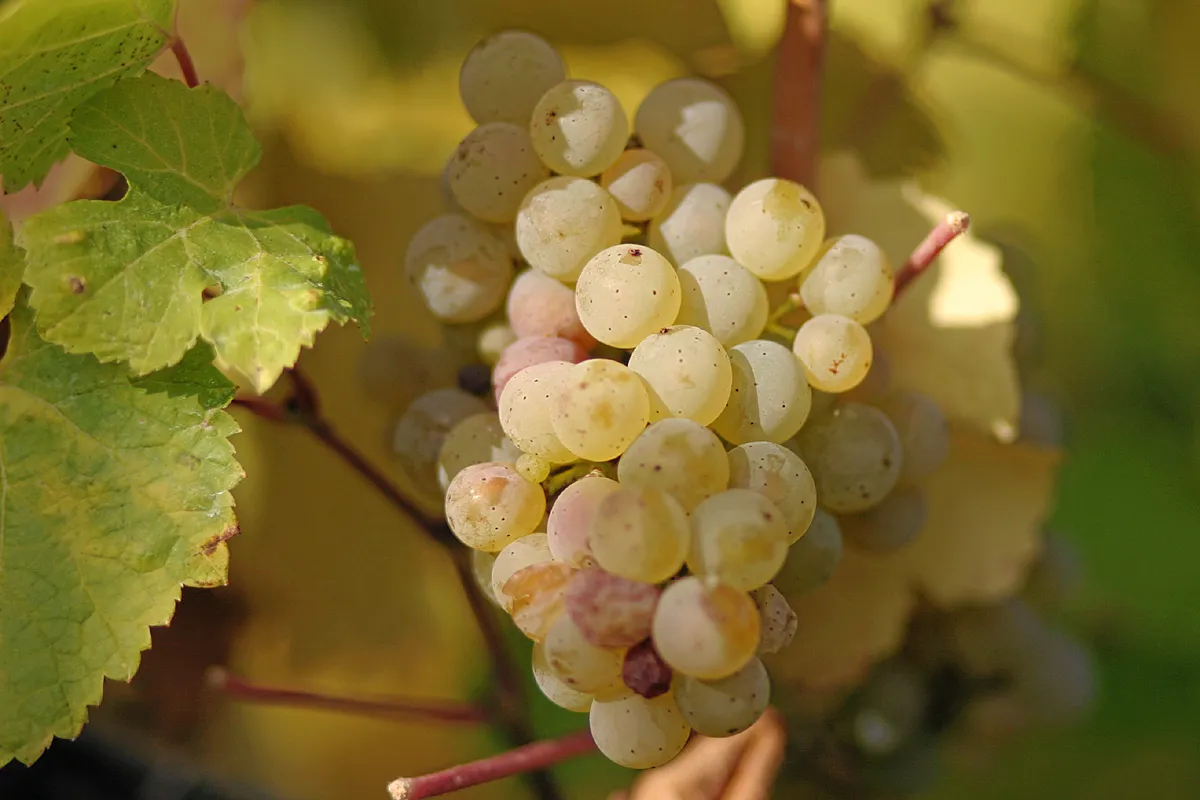
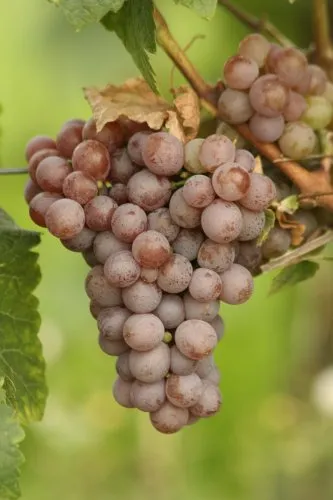
Riesling and Gewurztraminer: side-by-side comparison
| Criterion | Riesling | Gewurztraminer |
|---|---|---|
| Origin | Rhine Valley, Germany (mentioned in 1435 in Rüsselsheim) | Traminer (savagnin) family, aromatic mutation |
| Parentage | Gouais blanc × descendant of traminer and a wild vine (DNA analysis) | Musqué mutation of pink savagnin |
| Berry colour | White (B) | Pink (Rs) |
| Ripening | Late | Earlier |
| Aromas | Lemon, grapefruit, peach, white flowers, petrol (TDN) with age | Lychee, rose, spices, mango, ginger |
| Acidity | High | Low to medium |
| Structure | Taut, slender, moderate alcohol | Full, rich, often high alcohol |
| Regions | Alsace, Germany, Austria, Australia | Alsace, Germany, northern Italy |
| Styles | From bone dry to sweet (vendanges tardives, SGN) | Often with residual sugar; vendanges tardives, SGN |
| Ageing | Long, including for dry wines | Medium; long for sweet wines |
| Food pairings | Choucroute, fish, seafood, poultry | Munster, spicy Asian cooking, foie gras |
Verdict: tension versus opulence
Riesling is the grape of tension: lively acidity, aromas of citrus and flowers, remarkable ageing potential, even as a dry wine. Gewurztraminer is the grape of opulence: an exuberant bouquet of lychee and rose, a full palate, discreet acidity. If you like straight, mineral whites, choose riesling; if you like fragrant, enveloping whites, gewurztraminer.
Two origins, one family
Riesling originates from the Rhine Valley. Its oldest known mention dates from 1435, in a cellar inventory in Rüsselsheim. DNA analyses indicate that it descends from gouais blanc and a grape born of traminer and a wild vine.
Gewurztraminer belongs to the family of savagnin, called traminer in German-speaking countries. It is an aromatic mutation (known as musqué) of pink savagnin. Its name means roughly “spicy” or “perfumed traminer”. The guide colour mutations explains these variations within a single variety.
In the vineyard
Riesling is a late-ripening grape, resistant to winter cold, that likes well-exposed slopes and poor soils. It ripens slowly and keeps its acidity.
Gewurztraminer ripens earlier. It accumulates a lot of sugar but quickly loses its acidity in hot climates. Its berries are pink, which gives it the colour code Rs in the Official Catalogue (see grape colour codes).
In the glass
Young riesling suggests lemon, grapefruit, white peach and flowers. With age, notes of honey, candied citrus and sometimes petrol appear, linked to TDN.
Gewurztraminer suggests lychee, rose, spices, mango and ginger. Its colour is often a deep golden yellow, its palate full and sometimes slightly bitter on the finish.
In Alsace
In Alsace, both grapes are among the four traditional grand cru grapes, with pinot gris and muscat. They also produce the vendanges tardives and sélection de grains nobles designations.
Riesling is the most planted grape in Alsace; gewurztraminer is the most emblematic in the eyes of many enthusiasts. Outside Alsace, riesling is the great grape of Germany and has become established in Austria and Australia. Gewurztraminer is grown in Germany and in Italy’s Alto Adige, the region of the village of Tramin from which its name derives.
When to choose one or the other
Choose a dry riesling for choucroute, fish, seafood or poultry. It is also a white for ageing.
Choose a gewurztraminer for a munster, spicy Asian cooking (Thai, Indian) or foie gras for the sweet versions. For another duel of Alsace grapes, see pinot gris or pinot grigio.
Frequently asked questions
What is the difference between riesling and gewurztraminer?
Riesling makes taut wines with lively acidity and aromas of citrus and white flowers. Gewurztraminer makes full, very fragrant wines with aromas of lychee, rose and spices, with lower acidity and often a little residual sugar.
Is gewurztraminer a sweet wine?
Not always, but often. Its natural richness in sugar and low acidity lead many producers to leave a little residual sugar. There are also dry gewurztraminers, as well as clearly sweet vendanges tardives and sélections de grains nobles.
Why do some rieslings smell of petrol?
This note, sought after by some enthusiasts, is due to TDN, a compound that forms during ageing from carotenoid precursors in the grape. It appears mainly in older rieslings, and sooner in sunny climates.
Are riesling and gewurztraminer related?
Indirectly. Gewurztraminer is an aromatic form of savagnin (traminer). Riesling has as parents gouais blanc and a descendant of traminer and a wild vine, according to DNA analyses. They therefore share a common ancestry through traminer.