Chardonnay or sauvignon blanc: which to choose?
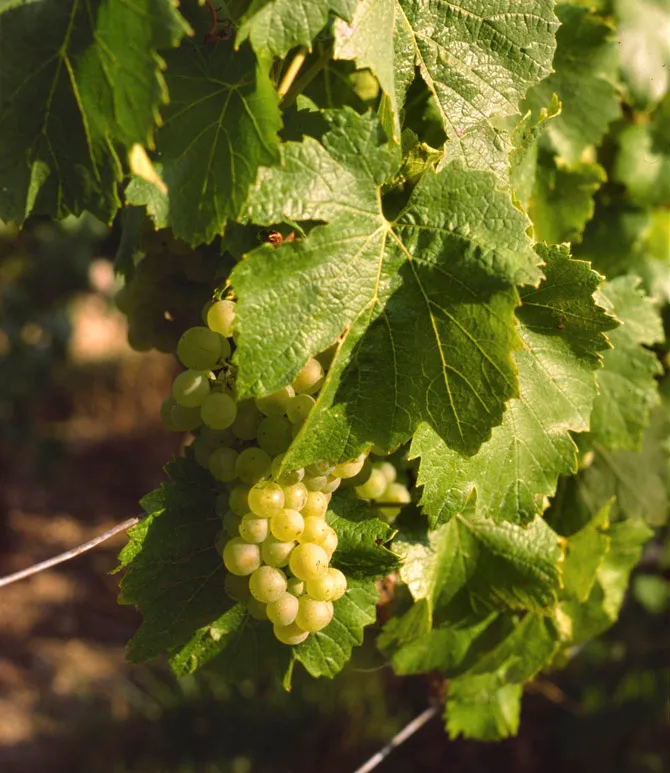
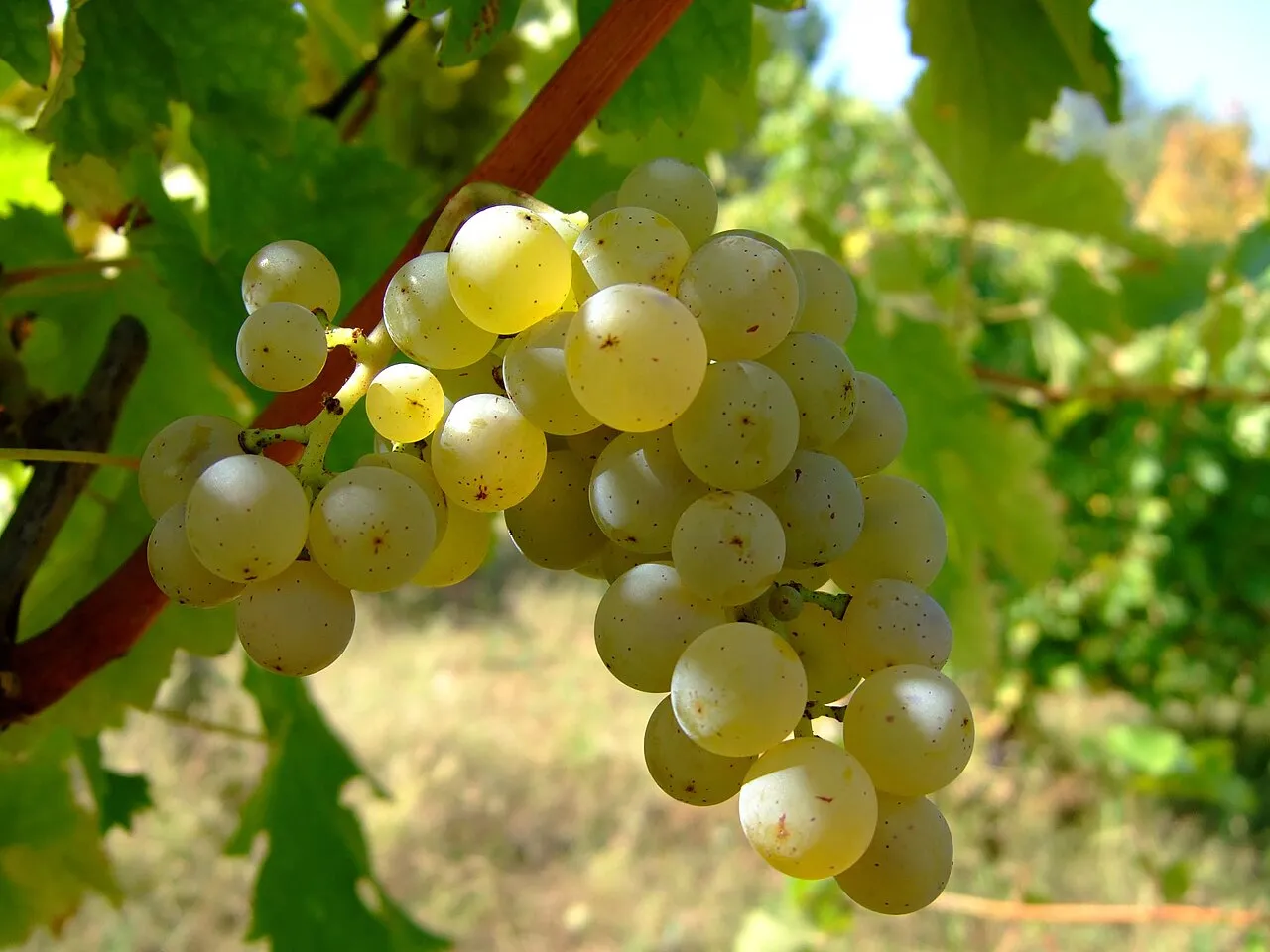
Chardonnay and Sauvignon blanc: side-by-side comparison
| Criterion | Chardonnay | Sauvignon blanc |
|---|---|---|
| Origin | Burgundy | Loire Valley or South-West France |
| Parentage | Pinot × gouais blanc (DNA analysis, 1999) | Probable descendant of savagnin; parent of cabernet sauvignon |
| Berry colour | White (B) | White (B) |
| Ripening | Early budburst, susceptible to spring frosts | Later budburst, mid-season ripening |
| Aromatic profile | Not very aromatic: apple, citrus, butter and hazelnut depending on ageing | Very aromatic: citrus, boxwood, blackcurrant bud, tropical fruit |
| Structure | From taut to very full, often rich | Lively, marked acidity, light to medium body |
| Typical ageing | Tank or oak barrel, malolactic fermentation common | Stainless steel tank most often, little oak |
| Flagship appellations | Chablis, Meursault, Puligny-Montrachet, Pouilly-Fuissé, blanc de blancs champagne | Sancerre, Pouilly-Fumé, Menetou-Salon, Entre-deux-Mers, Saint-Bris |
| World regions | California, Australia, Chile, Italy, everywhere | New Zealand (Marlborough), Chile, South Africa |
| Ageing potential | Medium to long for the great white Burgundies | Generally to be drunk young; longer for Bordeaux sweet wines |
| Food pairings | Poultry in cream sauce, fish in sauce, comté | Goat's cheese, oysters, asparagus, herb-based cooking |
Verdict: texture versus aroma
Chardonnay is a grape of texture: aromatically discreet, it takes the shape given to it by terroir and cellar, from taut, saline whites to full, buttery ones. Sauvignon blanc is a grape of aroma: it expresses itself from youth with notes of citrus, boxwood or tropical fruit, with lively acidity. The first suits rich dishes and ageing, the second fresh dishes and immediate pleasure.
Two French origins
Chardonnay was born in Burgundy from a natural cross between pinot and gouais blanc, established by DNA analysis in 1999. It shares these parents with gamay and aligoté.
Sauvignon blanc probably originates from the Loire Valley or South-West France. Genetic analyses link it to savagnin, and it is one of the two parents of cabernet sauvignon, with cabernet franc.
In the vineyard
Chardonnay buds early, which exposes it to spring frosts, notably in Chablis. It adapts to very varied climates, cool as well as hot.
Sauvignon blanc is vigorous and prefers cool to temperate climates, which preserve its acidity and aromas. Too much heat makes it lose its freshness and its characteristic notes.
In the glass
| Style | Chardonnay | Sauvignon blanc |
|---|---|---|
| Fresh and mineral | Chablis, Jura ouillé (topped-up) | Sancerre, Pouilly-Fumé |
| Full and oaky | Meursault, California | Pessac-Léognan (with sémillon), “fumé blanc” |
| Exuberant | Rare | Marlborough (New Zealand) |
| Sparkling | Blanc de blancs champagne, crémants | Rare |
| Sweet | Rare | Sauternes, Barsac (with sémillon) |
Sauvignon’s aromas come largely from sulphur compounds (thiols) and methoxypyrazines, which give notes of grapefruit, passion fruit, boxwood or cut grass. Chardonnay largely lacks them: its aromas of butter, hazelnut or brioche come mainly from malolactic fermentation and ageing.
Where they are found in France
Chardonnay dominates white wines in Burgundy, from Chablis to the Mâconnais, and is one of the three grapes of Champagne. Sauvignon is king in the Centre-Loire (Sancerre, Pouilly-Fumé) and in Touraine (Loire Valley), and shares Bordeaux whites with sémillon. There is even a Burgundian sauvignon appellation: Saint-Bris, in the Yonne, not far from Chablis.
When to choose one or the other
Choose a chardonnay for poultry in cream sauce, fish in sauce, a comté, or for a white to lay down. Choose a Chablis if you want a taut chardonnay, close in liveliness to a sauvignon.
Choose a sauvignon blanc for a goat’s cheese (crottin de Chavignol and Sancerre are neighbours), oysters, asparagus or cooking with fresh herbs.
Frequently asked questions
What is the difference between chardonnay and sauvignon blanc?
Chardonnay is an aromatically neutral grape, which mainly expresses terroir and ageing; it often makes full-bodied wines. Sauvignon blanc is a very aromatic grape, with notes of citrus, boxwood and tropical fruit, which makes lively, fresh wines.
Which is the drier?
Both make mainly dry wines. Sauvignon often seems "drier" on the palate because of its lively acidity and the absence of oak. A barrel-aged chardonnay with malolactic fermentation seems rounder and richer, without containing more sugar.
Can chardonnay and sauvignon be blended?
It is possible in IGP wines or Vins de France, but uncommon in French AOCs. Sauvignon is more often blended with sémillon, in Bordeaux, for dry whites and for sweet wines such as Sauternes.
Is a Sancerre a sauvignon?
White Sancerre is made exclusively from sauvignon blanc. Red and rosé Sancerre come from pinot noir. The grape is not always stated on the label, because it is the appellation that is put forward.