The grape varieties of Champagne
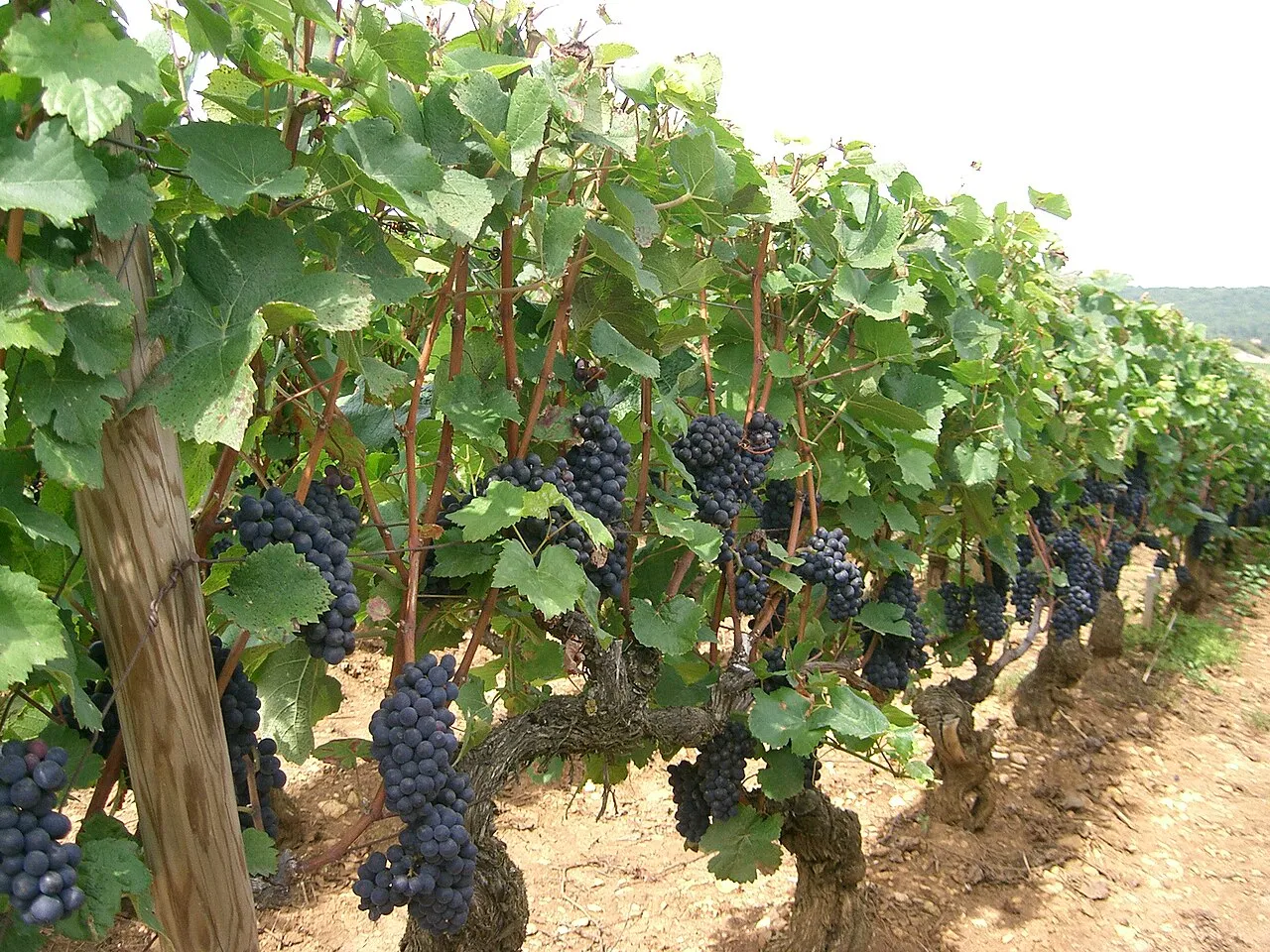
Main grapes: Champagne
- Pinot noir (black, France, Burgundy)
- Pinot meunier (black, France, north-east (pinot mutation))
- Chardonnay (white, France, Burgundy)
Secondary and minor grapes
- Pinot blanc (white, France, Burgundy (pinot mutation))
- Pinot gris (grey, France, Burgundy (pinot mutation))
- Voltis (white, France, INRAE (Colmar and Montpellier))
Other grapes grown: Arbane, Petit meslier.
Three grapes for one vineyard
Champagne is a sparkling wine with a protected designation of origin, made by second fermentation in the bottle, mainly from three grapes: pinot noir, meunier and chardonnay. The first two are black, the third is white. Together, they occupy almost the entire area.
Most champagnes are blends of grapes, crus and often vintages. Each grape brings a trait: structure and red fruit for pinot noir, roundness and fruitiness for meunier, finesse and tension for chardonnay.
The sub-regions
The appellation area extends over five departments, mainly the Marne and the Aube. Four main areas are distinguished:
- the Montagne de Reims, the land of pinot noir, with villages classified as grands crus such as Verzenay, Bouzy or Ambonnay;
- the Vallée de la Marne, where meunier dominates on more clay-rich soils;
- the Côte des Blancs, south of Épernay, devoted to chardonnay (Cramant, Avize, Le Mesnil-sur-Oger);
- the Côte des Bar, in the Aube, planted mainly with pinot noir on Kimmeridgian marls.
Alongside champagne, the region produces two still-wine appellations: Coteaux champenois (red, rosé and white) and Rosé des Riceys, made from pinot noir.
Grapes by appellation and style
| Appellation or designation | Grapes | Notes |
|---|---|---|
| Champagne (blend) | Pinot noir, meunier, chardonnay | Most common case |
| Champagne blanc de blancs | Mainly chardonnay | May include arbane, petit meslier, pinot blanc |
| Champagne blanc de noirs | Pinot noir and/or meunier | Black grapes made as white wine |
| Champagne rosé | All three grapes | By blending in red wine or by saignée |
| Coteaux champenois | Champagne AOC grapes | Still wines |
| Rosé des Riceys | Pinot noir | Still rosé from the Aube |
The three main grapes
Pinot noir is the majority grape in the Montagne de Reims and the Côte des Bar. It brings power and red-fruit aromas.
Meunier is a form of pinot recognisable by the white down on its leaves, hence its name, which evokes flour (meunier means miller). Later to bud, it escapes spring frosts more easily, which explains its success in the Vallée de la Marne.
Chardonnay dominates the Côte des Blancs and the Côte de Sézanne. It brings the freshness and ageing potential of blancs de blancs.
The four historic grapes
The specification retains four old grapes, permitted without a ceiling but now very marginal:
- arbane, an old white grape, grown on a few plots, mainly in the Aube;
- petit meslier, a white grape born of a cross between gouais blanc and savagnin (DNA analysis), known for its acidity;
- pinot blanc, locally called “blanc vrai”;
- pinot gris, called “fromenteau” or “pinot gris vrai”.
Together, these four grapes represented only about 0.3% of the planted area in the early 2010s. They now interest growers seeking diversity, and sometimes freshness in hot years.
Voltis, the first resistant grape in a great AOC
In December 2022, Champagne authorised voltis, a white grape resistant to downy and powdery mildew, as a variety of interest for adaptation purposes. The conditions are strict:
- it may not exceed 5% of the estate’s plantings, as an accessory grape;
- its use is governed by an agreement between INAO, the appellation’s protection and management body and the producer.
Voltis is the result of breeding programmes combining genetic resistance and quality. Its introduction aims to reduce plant-protection treatments, notably near inhabited areas. The regulatory framework for these varieties is presented in the guide resistant grape varieties: the regulations.
Recent developments
Climate warming has brought harvest dates forward and increased the potential alcohol of the grapes, which changes the balance sought for base wines. Champagne is studying several levers: renewed interest in the historic grapes, clonal selection and the adaptation of practices. These questions are developed in the guide grape varieties and climate change.
To understand the difference between the many pinots (noir, meunier, blanc, gris), see also the guide colour mutations.
Frequently asked questions
Which grape varieties are permitted in Champagne?
The Champagne AOC specification permits pinot noir, meunier and chardonnay, as well as four historic grapes: arbane, petit meslier, pinot blanc and pinot gris. Voltis, a resistant variety, has been added since 2022 as an adaptation variety, limited to 5% of plantings.
What is a blanc de blancs champagne?
It is a champagne made solely from white grapes, in practice almost always chardonnay. Blanc de noirs, conversely, comes only from black grapes (pinot noir and/or meunier), made as a white wine thanks to rapid pressing.
Is meunier a second-rank grape?
It was long considered a blending grape, valued for its roundness and fruitiness. Many producers now vinify it on its own, notably in the Vallée de la Marne, where its clay soils and its resistance to late frosts have made it the dominant grape.
Can you find champagne made from arbane or petit meslier?
Yes, but these cuvées are rare. These grapes occupy a tiny area, less than a hundred hectares in total for the four historic grapes in the early 2010s. A few houses and growers, mainly in the Aube, make single-varietal or blended cuvées from them.