Gamay or pinot noir: Beaujolais versus Burgundy
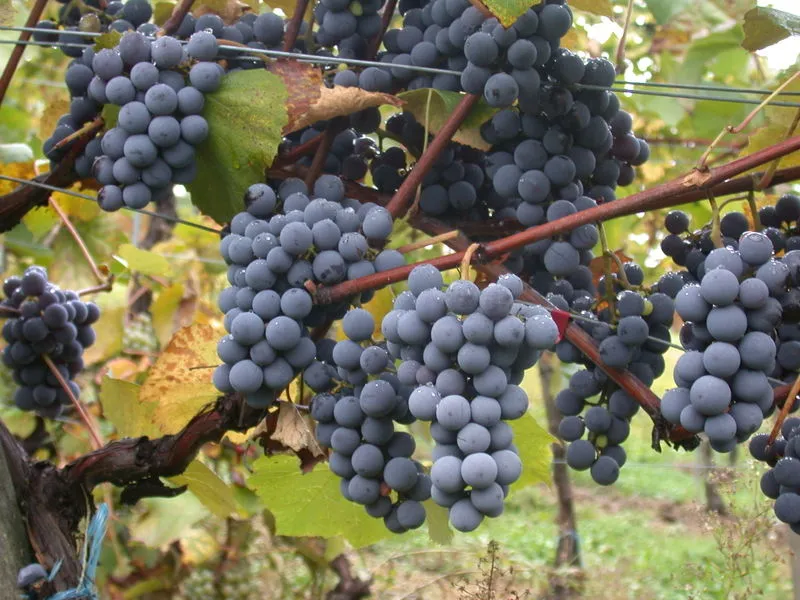
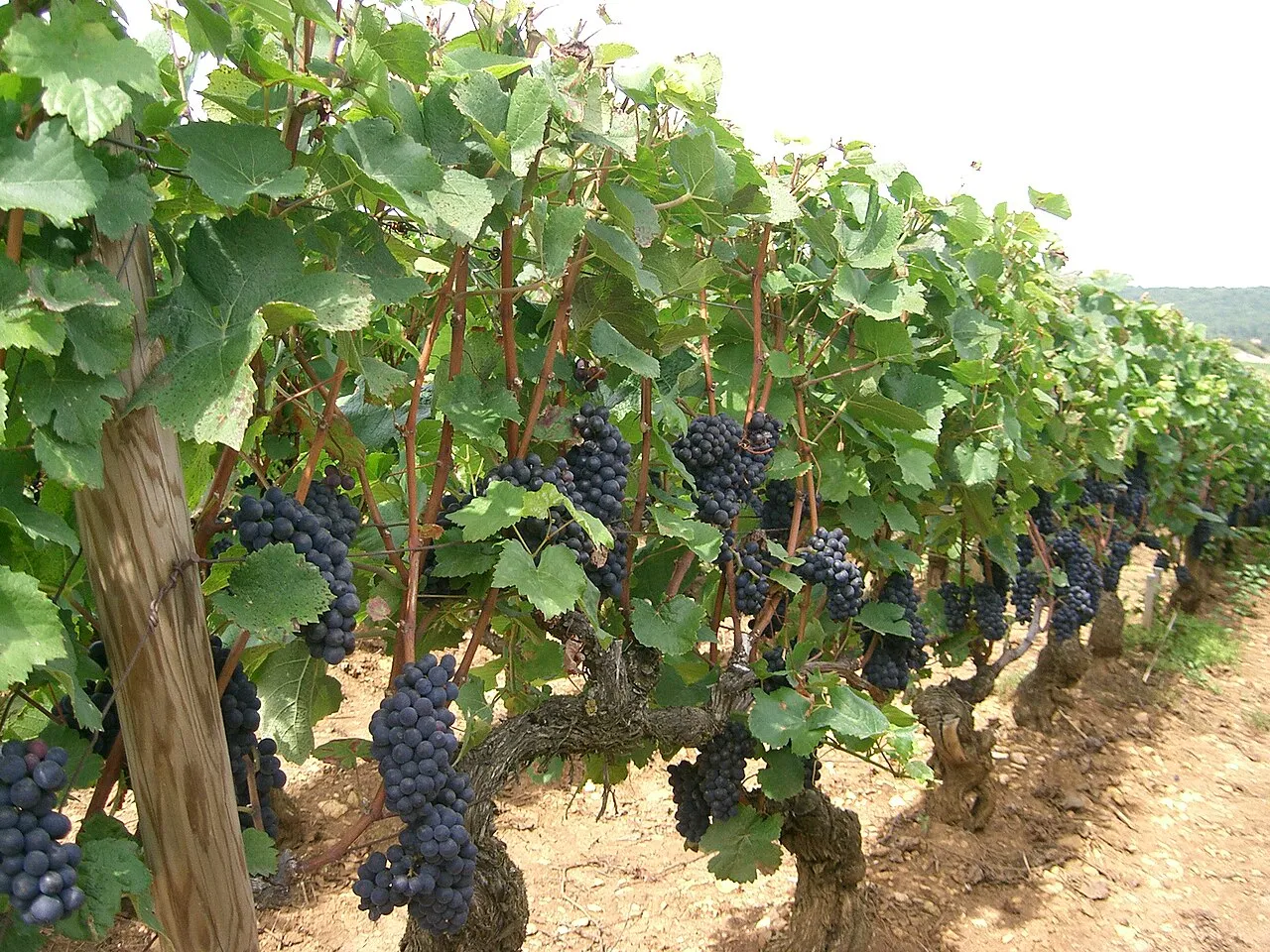
Gamay and Pinot noir: side-by-side comparison
| Criterion | Gamay | Pinot noir |
|---|---|---|
| Origin | Burgundy, south of Beaune | Burgundy |
| Parentage | Pinot × gouais blanc (DNA analysis, 1999) | Old grape, parent of gamay and chardonnay |
| Berry colour | Black, white juice | Black, thin skin |
| Ripening | Early, productive | Early, lower yields |
| Preferred soils | Granite and old rocks (northern Beaujolais) | Limestone and marl (Côte d'Or) |
| Typical winemaking | Semi-carbonic maceration, whole bunches | More or less complete destemming, barrel ageing |
| Aromas | Cherry, raspberry, redcurrant, banana or boiled sweets in primeur wines, peony | Cherry, raspberry, strawberry, undergrowth and mushroom with age |
| Structure | Supple tannins, fresh acidity, light to medium body | Fine tannins, fresh acidity, great complexity |
| Flagship appellations | Morgon, Moulin-à-Vent, Fleurie, Brouilly, Beaujolais-Villages | Gevrey-Chambertin, Vosne-Romanée, Pommard, Volnay, red Sancerre |
| Ageing | Short to medium; longer for some crus | Medium to very long for the grands crus |
| Food pairings | Charcuterie, Lyon cooking, poultry, everyday dishes | Roast poultry, boeuf bourguignon, game birds, époisses |
Verdict: Burgundian finesse versus Beaujolais fruit
Pinot noir is the grape of complexity and ageing: its great Burgundies are among the most sought-after reds in the world. Gamay is the grape of fruit and freshness: it makes moreish, easy-drinking wines, and Beaujolais crus capable of ageing. For producers of equal quality, gamay often offers better value for money.
A parent and its descendant
Pinot noir is a very old Burgundy grape. Gamay descends from it: it was born of a natural cross between pinot and gouais blanc, like chardonnay, aligoté and melon de Bourgogne. The guide DNA parentage of grape varieties details this family.
Gamay is thought to have appeared in the 14th century in a village south of Beaune. Growers liked it for its productivity and early ripening, which earned it opposition: in 1395, Philip the Bold ordered the grubbing-up of the “disloyal gamay” in favour of pinot noir.
Two terroirs, two ways of making wine
Pinot noir expresses itself on the limestone and marl of the Côte d’Or. It is most often destemmed, macerated, then aged in barrel. Its thin skin gives lightly coloured wines with delicate fruit.
Gamay finds its ideal ground on the granite of northern Beaujolais. The traditional winemaking there is semi-carbonic maceration: whole bunches ferment partly inside the berries, which enhances the fruit and limits tannins. The most ambitious crus are also made in a more classic way.
In the glass
Gamay suggests cherry, raspberry, redcurrant and peony, with supple tannins. Beaujolais nouveau, released on the third Thursday of November, often shows amylic notes (banana, pear drops) linked to its rapid winemaking.
Pinot noir suggests cherry, raspberry and strawberry, then, with age, undergrowth, mushroom and leather. Its silky texture and length make its reputation.
Where to find them
Pinot noir dominates the reds of Burgundy, goes into Champagne and Alsace wines, and is grown in Sancerre, the Jura and throughout the world (Oregon, New Zealand, Germany).
Gamay is the almost exclusive grape of Beaujolais. It is also found in Touraine, the Côte Roannaise, Savoie and Switzerland.
When to choose one or the other
Choose a gamay for a simple, convivial meal: charcuterie, Lyon cooking, poultry, a picnic. Serve it lightly chilled. For a bottle to keep, look to Morgon or Moulin-à-Vent.
Choose a pinot noir for roast poultry, boeuf bourguignon, game birds, or for a bottle to lay down.
For another Burgundian duel, see chardonnay or sauvignon blanc.
Frequently asked questions
Is gamay a pinot?
No, but it descends from one. DNA analyses published in 1999 showed that gamay is the result of a natural cross between pinot and gouais blanc, just like chardonnay, aligoté and melon de Bourgogne. It is therefore a child of pinot, not a variant.
Why was gamay banned in Burgundy?
In 1395, Duke Philip the Bold ordered the grubbing-up of the "disloyal gamay", judged inferior in quality to pinot noir but more productive. Gamay then became concentrated further south, in Beaujolais, where it found granite soils that suit it.
Can gamay and pinot noir be blended?
Yes. Bourgogne Passe-tout-grains combines pinot noir (more than 30%) and gamay (more than 15%). Coteaux Bourguignons also permits both grapes. In Switzerland, Dôle from Valais is another example of a blend based on pinot noir and gamay.
Which is the lighter?
Both make low-tannin reds of moderate colour. Gamay made by semi-carbonic maceration is often the lightest and fruitiest, but a Beaujolais cru such as Moulin-à-Vent can be more structured than a cool-climate pinot noir.