Grenache or syrah: the two pillars of the Rhône
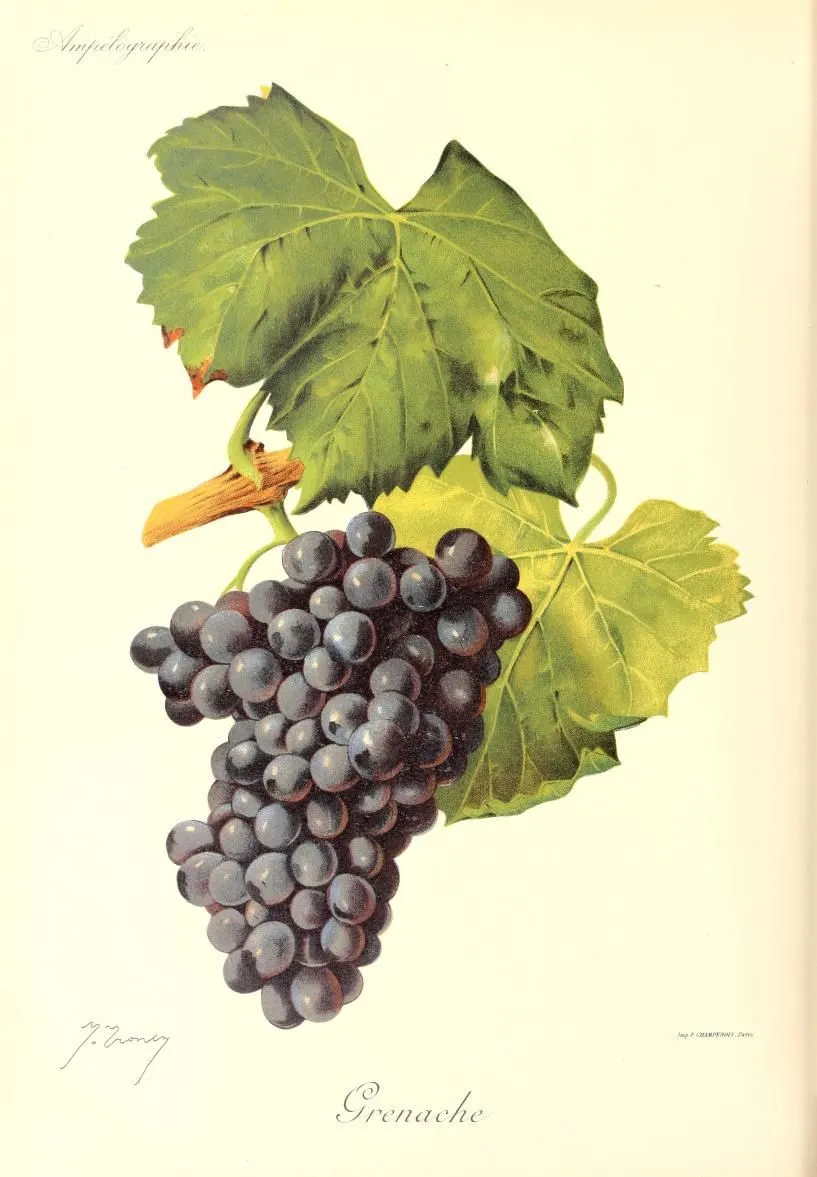
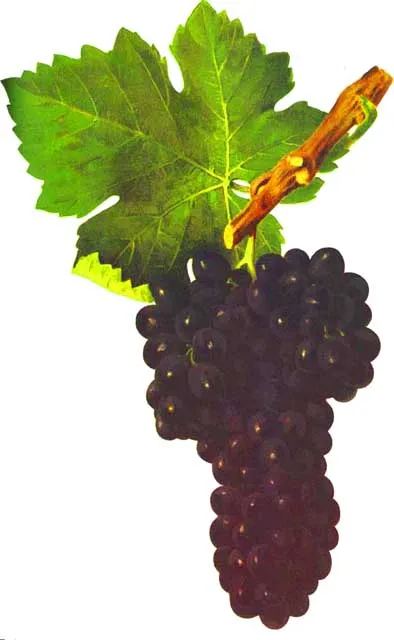
Grenache noir and Syrah: side-by-side comparison
| Criterion | Grenache noir | Syrah |
|---|---|---|
| Origin | Spain, probably Aragon (Sardinia also claims the grape) | France, Rhône Valley |
| Parentage | Not established | Dureza × mondeuse blanche (DNA analysis) |
| Colour of the wines | Moderate, quickly turns brick-red | Deep, purple when young |
| Ripening | Late | Mid-season |
| Climate | Hot and dry, tolerates drought and wind | Temperate to hot; also performs in cool climates |
| Aromas | Strawberry, raspberry, ripe cherry, garrigue, sweet spices | Blackberry, blackcurrant, violet, black pepper, olive |
| Structure | High alcohol, supple tannins, low acidity | Firm tannins, more marked acidity, moderate alcohol |
| Rhône | Southern Rhône: Châteauneuf-du-Pape, Gigondas, Côtes du Rhône | Northern Rhône: Hermitage, Côte-Rôtie, Cornas |
| Other regions | Roussillon (vins doux naturels), Priorat, Sardinia (cannonau) | Languedoc, Australia (shiraz), South Africa |
| Food pairings | Daube (braised beef), slow-cooked lamb, tagines, Provençal cooking | Game, grilled meats, peppery dishes |
Verdict: generosity versus structure
Grenache noir is the grape of generosity: alcohol, roundness, ripe red fruit, supple tannins. Syrah is the grape of structure and freshness: deep colour, firm tannins, black fruit and pepper. One dominates the southern Rhône, the other the north, and their complementarity explains why they are so often blended.
Two different origins
Grenache noir is of Spanish origin, probably Aragonese, although Sardinia, where it is called cannonau, also claims to be its birthplace. It is known in Spain as garnacha.
Syrah was born in south-eastern France, from a natural cross between dureza and mondeuse blanche, established by DNA analysis. It is therefore related to mondeuse noire from Savoie.
In the vineyard
Grenache is a late-ripening, hardy grape, very tolerant of heat, drought and the mistral. It is often trained as a bush vine (gobelet). It accumulates a lot of sugar, which gives high-alcohol wines, and its wines oxidise easily.
Syrah ripens earlier. It is more vigorous and sensitive to drought and excessive heat, which make it lose its aromas. This is why it makes its finest wines on the granite slopes of the northern Rhône.
In the glass
| Criterion | Grenache noir | Syrah |
|---|---|---|
| Colour | Light ruby, evolves quickly | Deep purple |
| Nose | Candied red fruit, garrigue, sweet spices | Black fruit, violet, pepper, olive, smoked bacon |
| Palate | Round, warm, supple tannins | Taut, firm tannins, peppery finish |
| Evolution | Prune, leather, rancio notes in sweet wines | Leather, game, liquorice |
The Rhône: north versus south
In the northern Rhône (Côte-Rôtie, Hermitage, Cornas, Saint-Joseph, Crozes-Hermitage), syrah is the only black grape. In the southern Rhône (Châteauneuf-du-Pape, Gigondas, Vacqueyras, Côtes du Rhône), grenache dominates and syrah complements it along with mourvèdre and cinsault. See the grapes of the Rhône Valley.
Elsewhere in France and the world
Grenache is the mainstay of the vins doux naturels of Languedoc-Roussillon (Banyuls, Maury, Rivesaltes) and of Provence rosés. It is widely grown in Spain (Priorat, Aragon, Navarre) and in Sardinia.
Syrah was planted on a massive scale in Languedoc from the 1970s and 1980s. Outside France, it is known as shiraz in Australia (see syrah or shiraz).
When to choose one or the other
Choose a grenache-dominated wine for slow-cooked Mediterranean dishes: daube, seven-hour lamb, tagine.
Choose a syrah for game, grilled meat or a peppery dish, or if you prefer fresher, tauter reds.
To enjoy both, a Côtes du Rhône or a Châteauneuf-du-Pape generally blends grenache and syrah.
Frequently asked questions
What is the difference between grenache and syrah?
Grenache makes warm, lightly coloured, low-tannin wines with aromas of red fruit and spices. Syrah makes darker, more tannic and fresher wines with aromas of black fruit, violet and pepper. They are often blended to combine these qualities.
What is a GSM blend?
GSM refers to the blend of grenache, syrah and mourvèdre, typical of the southern Rhône and taken up in Australia and elsewhere. Grenache brings fruit and roundness, syrah colour and spice, mourvèdre structure and ageing potential.
Does grenache cope with heat better than syrah?
Yes, in general. Grenache is a late-ripening grape, very tolerant of drought and wind, often trained as a bush vine (gobelet). Syrah can suffer in extreme heat, which makes it lose its freshness and peppery aromas.
Why is grenache used for vins doux naturels?
Grenache naturally accumulates a lot of sugar. This richness is ideal for the vins doux naturels of Roussillon, such as Banyuls, Maury or Rivesaltes, where fermentation is stopped by adding alcohol to keep part of the grape sugar.