Cinsault: from Provence rosé to South African pinotage
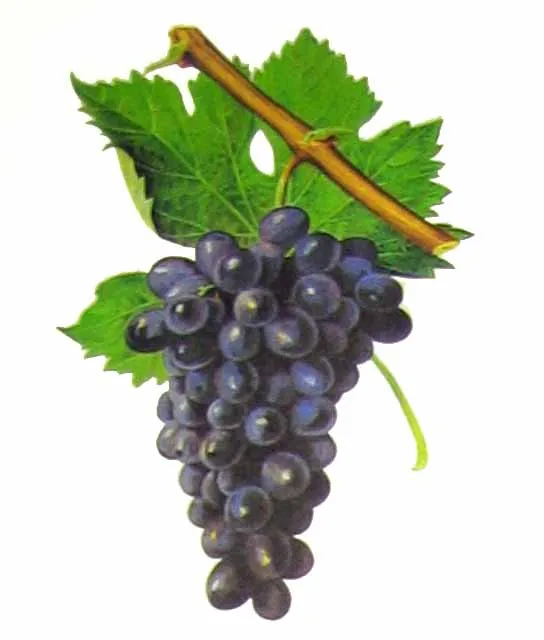
Profile: Cinsault
| Berry colour | Black grape (N) |
|---|---|
| Species / status | Vitis vinifera |
| Origin | France, Languedoc (probable) |
| Synonyms | Cinsaut, Hermitage (South Africa, former name), Œillade noire (table grape) |
| French regions | Corsica, Languedoc-Roussillon, Provence, Rhône Valley |
| Grown in | France, South Africa, Morocco, Algeria, Tunisia, Lebanon, Chile |
| Typical aromas | strawberry, raspberry, cherry, peach (rosés), red flowers, almond |
| Wine style | Light, fruity reds and pale, delicate rosés, best drunk fairly young. |
| Food pairings | summer salads, grilled meats, Mediterranean cooking, tagines |
| Identifiers | VIVC no. 2672, Wikidata Q1092578 |
Origin: an old southern grape
Cinsault is an old grape of southern France. It is often considered native to the Languedoc, probably the Hérault, although an earlier introduction from the eastern Mediterranean has also been suggested. Its precise origin is not established.
It is spelt either cinsault or cinsaut, both spellings being in use.
The angle to know: the South African “hermitage”, parent of pinotage
In the early 20th century, cinsault was grown in South Africa under the name hermitage, unrelated to the Rhône appellation of the same name. This is a classic case of homonymy, detailed in the guide on synonyms and homonyms.
In 1925, Professor Abraham Perold of Stellenbosch University crossed pinot noir with this cinsault-hermitage. The new grape was named pinotage, a contraction of “pinot” and “hermitage”. It became an emblematic grape of South Africa.
| Point of comparison | Cinsault | Pinotage |
|---|---|---|
| Nature | Traditional grape | Crossing made in 1925 |
| Parents | Not established | Pinot noir × cinsault |
| Emblematic country | France (Midi) | South Africa |
| Wine profile | Light, fruity, low in tannin | Deeper in colour and more structured |
In the vineyard
Cinsault is resistant to drought and heat, which explains its spread in North Africa and Lebanon. It is productive if yields are not limited, and its large, juicy berries make it susceptible to grey rot and certain pests.
It is often trained as a bush vine (gobelet) in southern vineyards. Its productivity made it, like carignan, a bulk-wine grape in the 20th century, before a more recent reassessment.
The wines
Cinsault gives lightly coloured, supple, fruity wines, with aromas of strawberry, raspberry and red flowers. It is rarely intended for long ageing.
It is mainly used:
- for rosés, particularly in Provence, where it brings finesse and freshness;
- in blends with grenache noir, syrah and carignan, which it softens;
- in single-varietal cuvées from old vines, a practice that is growing.
In Lebanon, it goes into several well-known blends from the Bekaa Valley.
Where it is grown
- Provence: a major grape for rosés. See the grapes of Provence.
- Languedoc-Roussillon and the southern Rhône Valley: in blends. See Languedoc-Roussillon.
- Corsica: alongside the island’s native grapes.
Outside France: North Africa (Morocco, Algeria, Tunisia), Lebanon, South Africa and Chile.
Its large, fleshy berries have also led to it being sold as a table grape. On the border between the two uses, see table grape or wine grape.
Genealogy of Cinsault
Offspring profiled on this site: Pinotage.
Frequently asked questions
Is cinsault a parent of pinotage?
Yes. Pinotage was bred in South Africa in 1925 by Professor Abraham Perold of Stellenbosch University, by crossing pinot noir and cinsault. Cinsault was then called hermitage in the country, hence the name pinotage, a contraction of pinot and hermitage.
Why is cinsault used for rosé?
Its berries have a fairly thin skin and give a lightly coloured, fresh and fruity juice. It makes pale, delicate rosés, much sought after in Provence. It also brings finesse to blends with grenache.
Is cinsault also a table grape?
Yes. Its large, fleshy berries mean it has also been sold as a table grape, notably under the name œillade noire. This name creates confusion with œillade, a separate old grape that is no longer grown.
Where can I find single-varietal cinsault?
It is most often blended, but single-varietal cuvées of cinsault exist in the Languedoc, Provence, South Africa and Chile, often from old vines. They give light reds, best served cool.
Related grapes
- Grenache noir (black, Spain, Aragon (origin disputed with Sardinia))
- Pinotage (black, South Africa, Stellenbosch)
- Carignan (black, Spain, Aragon (Cariñena region))
- Syrah (black, France, northern Rhône Valley)
- Mourvèdre (black, Spain, Valencia region)
- Pinot noir (black, France, Burgundy)