Pinot gris or pinot grigio: what is the difference?
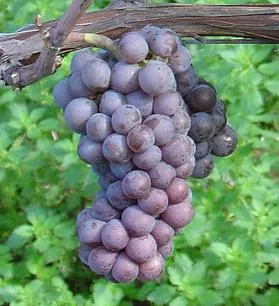
Pinot gris and Pinot grigio: side-by-side comparison
| Criterion | Pinot gris | Pinot grigio |
|---|---|---|
| Nature | French name of the grape | Italian name of the same grape |
| Origin | Burgundy, colour mutation of pinot noir | Identical |
| Berry colour | Pinkish-grey to coppery brown (code G) | Identical |
| Typical harvest time | Advanced ripeness, sometimes overripeness | Early harvest to preserve liveliness |
| Aromas | Pear, quince, dried fruit, honey, smoke, undergrowth | Green apple, lemon, white flowers, almond |
| Structure | Full, rich, often high alcohol, dry to sweet | Light, lively, dry, moderate alcohol |
| Regions | Alsace, Germany, Oregon, New Zealand | Veneto, Friuli-Venezia Giulia, Trentino-Alto Adige |
| Flagship appellations | Alsace, Alsace grand cru, vendanges tardives, sélection de grains nobles | DOC delle Venezie, Friuli, Trentino, Alto Adige |
| Ageing | Several years for the grands crus and sweet wines | Generally to be drunk young |
| Food pairings | Poultry in cream sauce, foie gras, smoked or spicy cooking | Aperitif, grilled fish, salads, antipasti |
Verdict: one grape, two styles
Pinot gris and pinot grigio refer to the same grape. Yet the label announces two different wines: the “gris” style, inspired by Alsace, is rich, spicy, sometimes sweet; the “grigio” style, inspired by Italy, is light, lively and dry. The name therefore tells you less about the grape than about how it was grown and made.
A mutation of pinot noir
Pinot gris is not genetically distinct from pinot noir: it is a colour mutation. Its DNA is almost identical; only the pigmentation of the skin differs. Pinot blanc is another mutation of the same family. The guide colour mutations explains this phenomenon.
Known in Burgundy since the Middle Ages, pinot gris spread to central Europe. In Germany it is called grauburgunder or ruländer, in Hungary szürkebarát.
The pinot gris style: ripeness and richness
In Alsace, pinot gris is one of the four traditional grand cru grapes. It is picked at good ripeness, even overripe for the vendanges tardives and sélection de grains nobles designations. The wines are full and rich, with aromas of pear, quince, dried fruit and smoke. They can be dry, off-dry or sweet.
This style is found in Germany (Baden), Oregon and New Zealand, where producers readily use the name pinot gris.
The pinot grigio style: freshness and lightness
In north-eastern Italy (Veneto, Friuli, Trentino-Alto Adige), pinot grigio is harvested earlier to preserve acidity. The wines are light and dry, with discreet aromas of green apple, citrus and white flowers. They are drunk young.
The commercial success of pinot grigio, notably for export, led to the creation in 2017 of the DOC delle Venezie, which regulates a large part of production.
Some Friuli growers also make ramato, a skin maceration that gives the wine a coppery tint.
The differences that matter
| Factor | Effect on the wine |
|---|---|
| Harvest date | Late: richness and sugar; early: liveliness |
| Yield | Low: concentration; high: lightness |
| Climate | Dry, sunny Alsace: ripeness; Italian plains: volume |
| Skin contact | Direct pressing: white wine; maceration: coppery tint |
When to choose one or the other
Choose an Alsace pinot gris to accompany rich cooking: poultry in cream sauce, mushrooms, foie gras (for the sweet versions) or smoked and lightly spiced dishes.
Choose a pinot grigio for an aperitif, a salad, grilled fish or antipasti: a simple, fresh, thirst-quenching white.
For other questions of misleading names, see synonyms and homonyms. For another case of a single grape under two names, see syrah or shiraz.
Frequently asked questions
Are pinot grigio and pinot gris the same grape?
Yes. Grigio means "grey" in Italian. The grape is identical; it is the harvesting and winemaking choices that produce two distinct styles. New World producers use one name or the other depending on the style they are aiming for.
Is pinot gris a white wine?
Yes, almost always. Its berries are pinkish-grey, but the juice is colourless. Pressed quickly, it makes a white wine, sometimes slightly golden or coppery. Maceration on the skins, on the other hand, gives a pink-tinted wine, the "ramato" of the Italians.
Why was Alsace pinot gris called tokay?
It was long sold under the name "tokay d'Alsace" or "tokay pinot gris". This name was abandoned in 2007 under European rules, the name tokaji being reserved for the Hungarian wine.
What is the difference from pinot blanc?
Pinot blanc and pinot gris are both colour mutations of pinot noir. Pinot blanc has golden berries and makes more neutral, lighter wines; pinot gris, with grey berries, makes richer, more aromatic wines.