Merlot or cabernet sauvignon: which to choose?
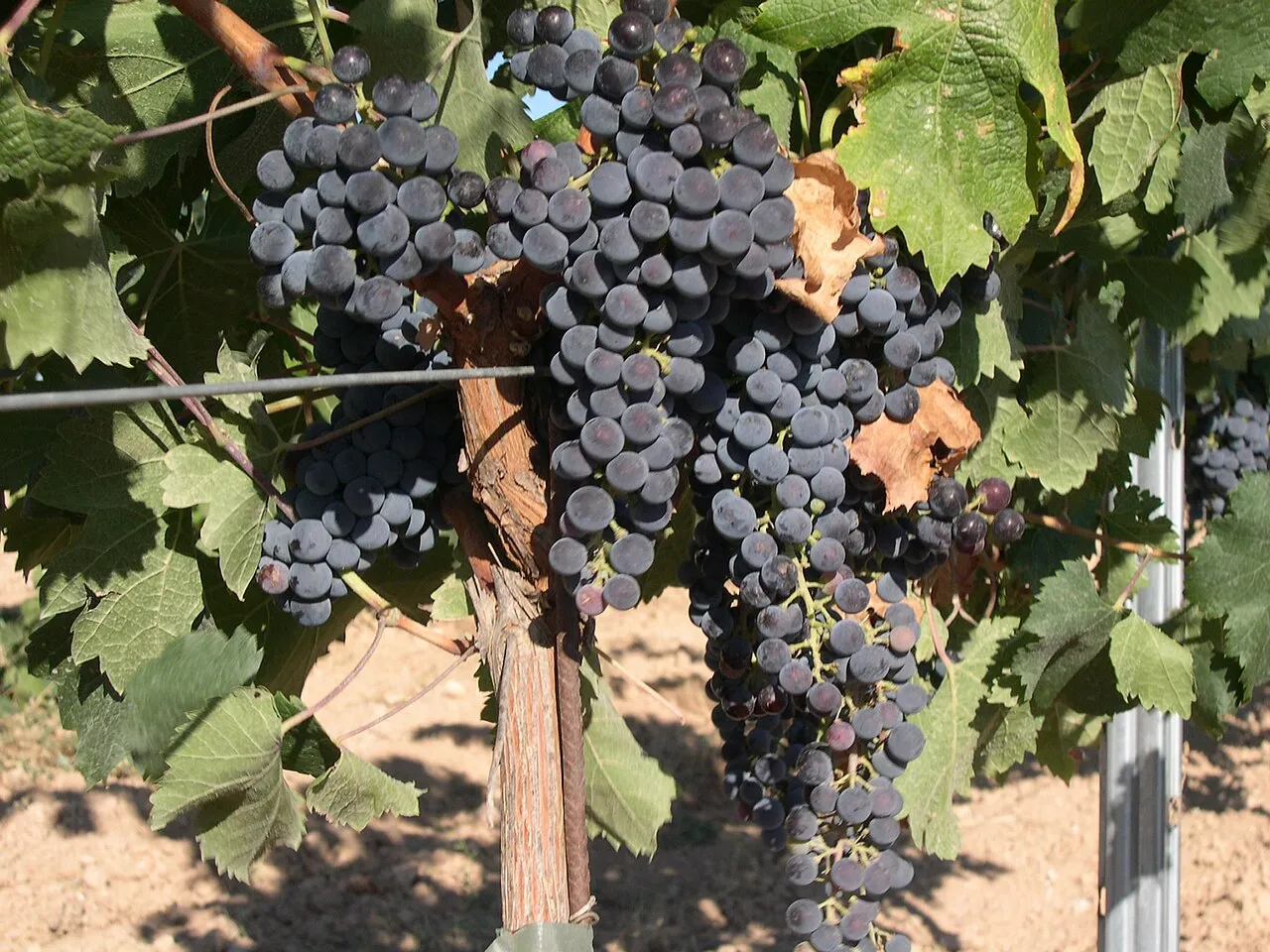
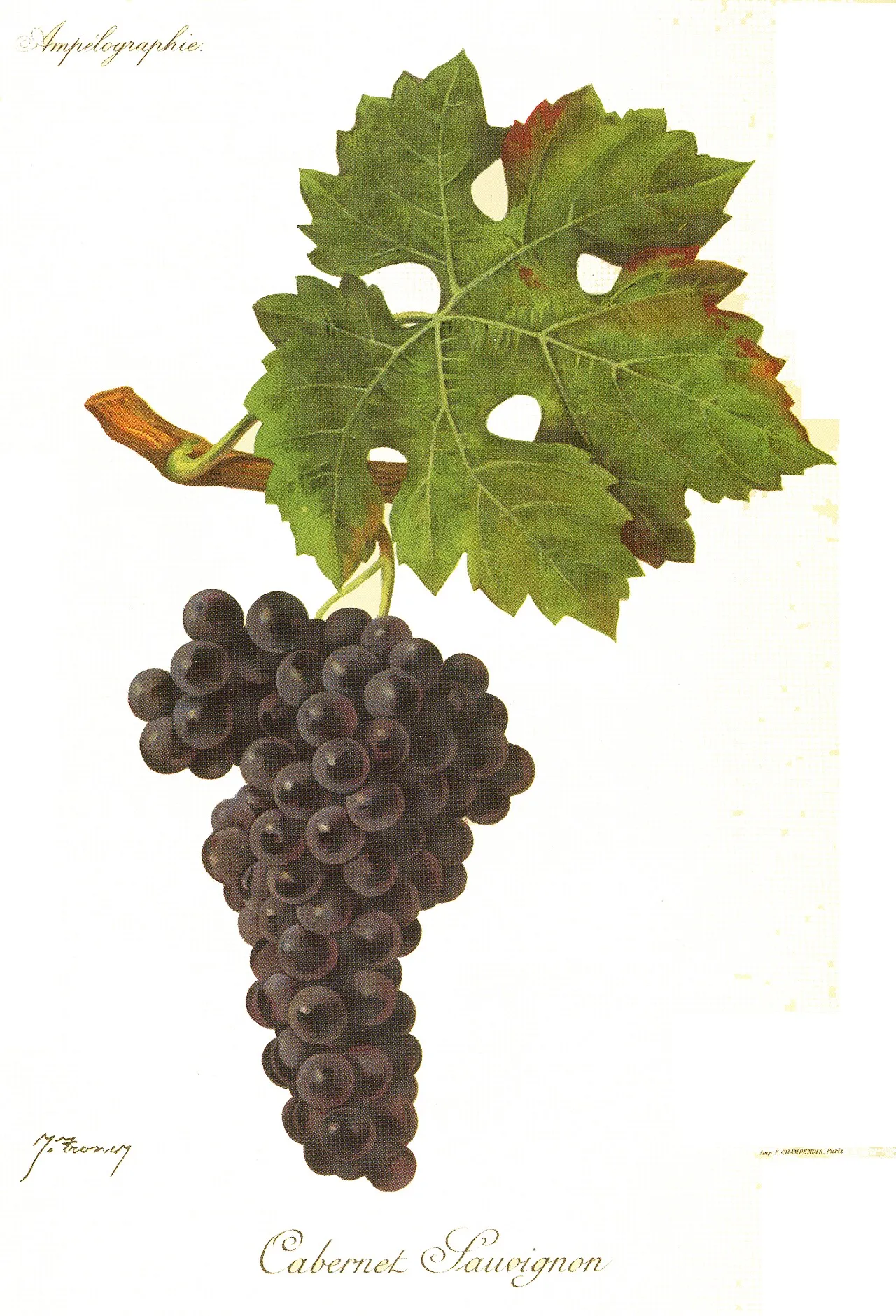
Merlot and Cabernet sauvignon: side-by-side comparison
| Criterion | Merlot | Cabernet sauvignon |
|---|---|---|
| Origin | Bordeaux region, Libournais (mentioned in 1784) | Bordeaux region |
| Parentage | Cabernet franc × magdeleine noire des Charentes (DNA analysis) | Cabernet franc × sauvignon blanc (DNA analysis, 1997) |
| Berry colour | Black, medium berries with thinner skin | Black, small thick-skinned berries |
| Ripening | Early, ripens about two weeks before cabernet sauvignon | Late |
| Preferred soils | Cool clays and limestone (Right Bank) | Warm, free-draining gravels (Left Bank) |
| Aromas | Plum, black cherry, ripe red fruit, truffle with age | Blackcurrant, cedar, mint, green pepper if underripe, tobacco with age |
| Structure | Round, supple, soft tannins, often higher alcohol | Firm tannins, more marked acidity, backbone |
| Flagship appellations | Pomerol, Saint-Émilion, Lalande-de-Pomerol | Pauillac, Saint-Julien, Margaux, Pessac-Léognan |
| Ageing | Enjoyable young; great wines for ageing on the Right Bank | Long ageing, often austere in youth |
| Food pairings | Roast poultry, duck, meat in sauce, slow-cooked dishes | Lamb, rib steak, grilled red meat, mature cheeses |
Verdict: roundness versus structure
Merlot is the grape of roundness: it makes supple, fleshy, fruity wines, often enjoyable young. Cabernet sauvignon is the grape of structure: its wines are more tannic, fresher and age for longer. In Bordeaux, the two are most often blended, each correcting the limits of the other depending on the vintage.
Two Bordeaux half-siblings
Merlot and cabernet sauvignon share a parent: cabernet franc.
- Cabernet sauvignon was born from a natural cross between cabernet franc and sauvignon blanc, established by DNA analysis in 1997.
- Merlot comes from cabernet franc and magdeleine noire des Charentes, a long-unknown grape found in an abandoned vineyard in Brittany, then identified as its second parent in the late 2000s.
Merlot is mentioned as early as 1784 in the Libournais, in the form “merlau”. To understand these lineages, see the guide DNA parentage of grape varieties.
In the vineyard: early versus late
This is the fundamental difference. Merlot buds and ripens earlier, up to about two weeks before cabernet sauvignon. It therefore succeeds on cooler clay and limestone soils, which delay ripening. On the other hand, it is prone to coulure and, in hot years, to overripeness.
Cabernet sauvignon, late-ripening, needs warmth to ripen fully. The gravel soils of the Médoc, which store heat and drain water, suit it particularly well. Its small thick-skinned berries resist rot better.
In the glass
A ripe merlot suggests plum, black cherry and jammy red fruit, with silky tannins and a round texture. With age, notes of undergrowth and truffle appear.
A cabernet sauvignon suggests blackcurrant, cedar, sometimes mint or graphite. If it lacks ripeness, notes of green pepper appear. Its tannic structure and acidity give it great ageing potential.
Right Bank, Left Bank
In Bordeaux, the contrast between the two grapes follows geography (see the grapes of Bordeaux):
- on the Right Bank (Pomerol, Saint-Émilion), merlot dominates, often blended with cabernet franc;
- on the Left Bank (Médoc, Graves), cabernet sauvignon is the reference grape, complemented by merlot.
Outside France, cabernet sauvignon has become one of the most planted black grapes in the world, notably in California (Napa Valley), Chile and Australia. Merlot is also grown everywhere, from Italy to Chile.
When to choose one or the other
Choose a merlot-dominated wine for an approachable red, to drink in its first years, with roast poultry, duck or a slow-cooked dish.
Choose a cabernet sauvignon-dominated wine for a structured red to lay down, with lamb, a rib of beef or mature cheeses.
And for balance, a classic Bordeaux blend combines the two. The third member of the family is compared in cabernet franc or cabernet sauvignon. On the principle of blending, see also single varietal or blend.
Frequently asked questions
What is the difference between merlot and cabernet sauvignon?
Merlot is early-ripening and makes round, supple, fruity wines. Cabernet sauvignon is late-ripening and makes more tannic, fresher wines with longer ageing potential. In Bordeaux, the first dominates on the Right Bank, the second on the Left Bank.
Are merlot and cabernet sauvignon related?
They are half-siblings: both have cabernet franc as a parent. Cabernet sauvignon comes from cabernet franc and sauvignon blanc, merlot from cabernet franc and magdeleine noire des Charentes.
Which is the most planted in Bordeaux?
Merlot is the most planted grape in the Bordeaux vineyard, well ahead of cabernet sauvignon. Its earliness allows it to ripen on the cooler soils of the Right Bank and Entre-deux-Mers.
Which grape to choose for a wine to drink young?
Merlot, in general. Its suppler tannins make it enjoyable sooner. A wine dominated by cabernet sauvignon often benefits from waiting a few years for its tannins to soften.