Single-varietal or blend: why mix grape varieties?
Two definitions
A single-varietal wine (or varietal wine) is made from a single grape variety. A blend combines several grapes, in proportions that can vary from one year to the next.
The border is not absolute. In the European Union, a wine can show a single grape if it contains at least 85% of it (see grape name on the label): a “single-varietal” by its label can therefore contain a small share of other grapes.
Blending grape varieties must also be distinguished from blending tanks or plots: a single-grape burgundy is often the blend of several lots of the same pinot noir.
The logic of the single-varietal wine
The single-varietal wine highlights the character of the grape and, above all, the expression of the place. When the grape is constant, the differences between two wines come from the soil, the exposure, the vintage and the winegrower.
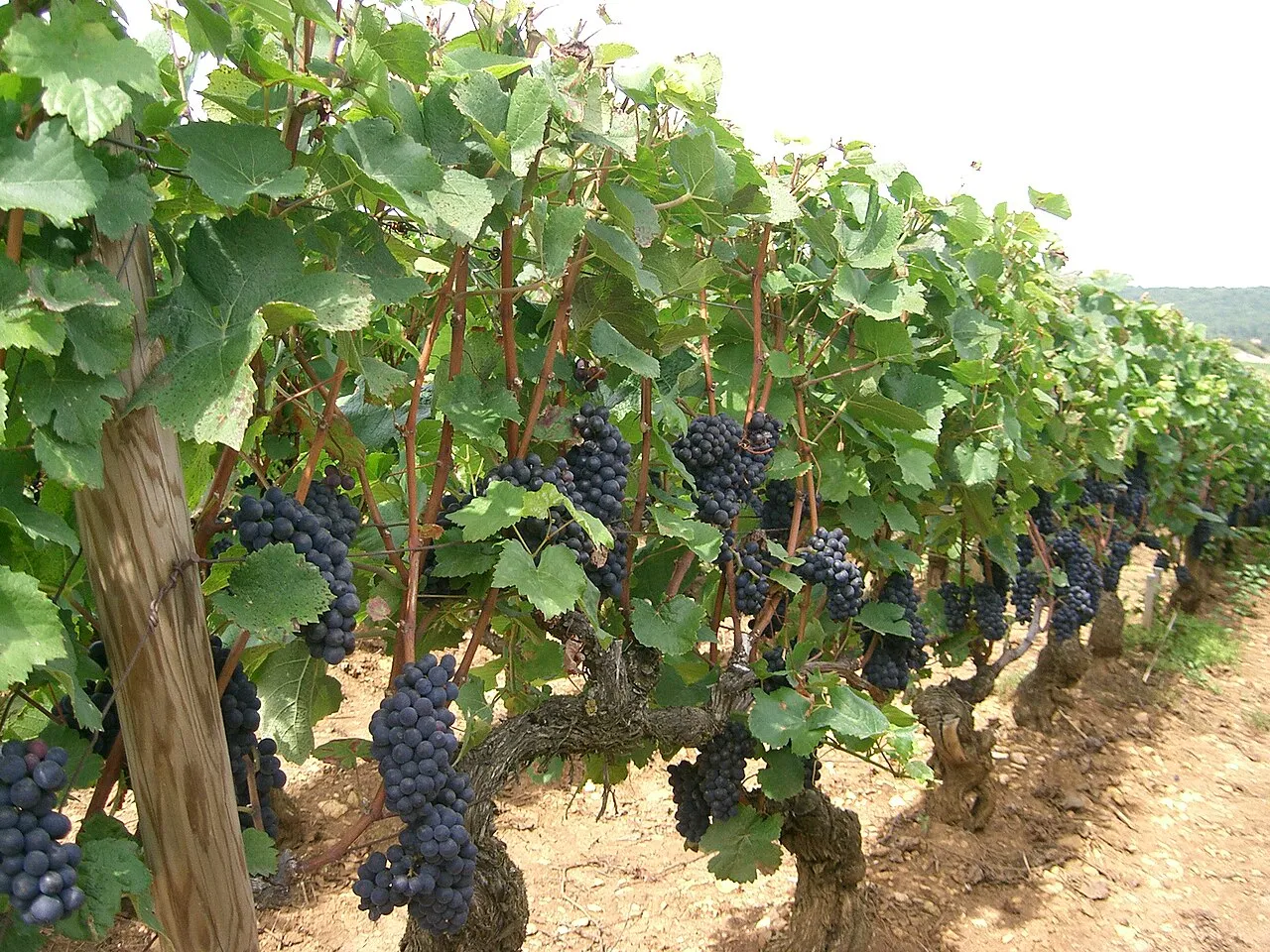
This is the logic of Burgundy: pinot noir for the reds, chardonnay for the whites, and a hierarchy of climats that reads all the better because the grape does not change. It is also that of Alsace, where the grape appears on the label, and of many Loire appellations.
The single-varietal approach is particularly suited to:
- climates where one grape ripens reliably on its own;
- complete grapes, able to give a balanced wine alone;
- markets that buy by grape, like much of the New World.
The logic of the blend
Blending rests on complementarity. Each grape brings part of the balance.
| Region | Grapes blended | Role of each |
|---|---|---|
| Red Bordeaux | Merlot, cabernet-sauvignon, cabernet franc, petit verdot | Roundness and earliness of merlot, structure of cabernet-sauvignon, freshness of cabernet franc, colour and spice of petit verdot |
| White Bordeaux | Sémillon, sauvignon blanc | Richness and ageing ability of sémillon, liveliness and aromas of sauvignon |
| Southern Rhône | Grenache noir, syrah, mourvèdre, cinsault | Warmth and fruit of grenache, colour and pepper of syrah, structure of mourvèdre |
| Champagne | Pinot noir, chardonnay, pinot meunier | Body of pinot noir, finesse of chardonnay, fruit of meunier |
Blending also serves as insurance. In Bordeaux, merlot flowers and ripens earlier than cabernet-sauvignon: poor fruit set at flowering or late-season rain does not affect the two in the same way. The winegrower adjusts the proportions according to the year.
In Champagne, blending also spans years: reserve wines make it possible to maintain a constant style from one harvest to the next.
Comparative advantages
| Criterion | Single-varietal | Blend |
|---|---|---|
| Readability | Strong: one name, an expected taste | Weaker, the label rarely states the grapes |
| Expression of place | Highlighted | Present, mixed with the balance of the grapes |
| Consistency from year to year | Depends on the vintage | Adjustable through proportions |
| Management of climatic risks | Concentrated on one variety | Spread across several |
| Aromatic complexity | That of the grape and the place | Sum of several profiles |
French traditions
The map of France shows a clear split, inherited from history and climate:
- mostly single-varietal: Burgundy, Beaujolais (gamay), Alsace, Loire (chenin, sauvignon, cabernet franc, melon), Savoie, part of the Jura;
- mostly blends: Bordeaux, southern Rhône, Provence, Languedoc-Roussillon, Champagne, South-West France.
The northern regions, with short seasons, often retained a grape suited to their climate. The southern regions, hotter and long geared towards volume production, combined grapes to correct heat and alcohol. The northern Rhône is an exception in the South, with its syrah alone for reds.
There are mixed cases: Côte-Rôtie allows viognier to be added to syrah, Châteauneuf-du-Pape allows more than ten grape varieties but some estates produce a pure grenache.
Field blends, ancestor of blending
Before phylloxera (see rootstocks and phylloxera), many vineyards were field blends: several grapes, sometimes white and black, grew mixed in the same plot and were harvested together. Blending was done in the vineyard, not in the winery.
Replanting on rootstocks favoured single-variety plots, easier to manage and to harvest at the right ripeness. Field blends survive in a few old vineyards, where they have made it possible to keep grapes that became rare (see forgotten grapes of South-West France).
Current trends
Two movements coexist:
- varietal wine is gaining ground everywhere, driven by PGIs and vins de France that can show the grape, and by demand from foreign markets;
- blending is gaining new arguments with climate change: including a small share of a late or Mediterranean grape helps keep freshness without changing appellation.
To compare for yourself
The best way to understand the difference is to taste side by side a varietal wine and a blend that contains it: a merlot and a merlot-dominant bordeaux, a northern Rhône syrah and a côtes-du-rhône. The site’s comparisons help to spot what each grape contributes.
Grapes mentioned in this guide
- Pinot noir (black, France, Burgundy)
- Merlot (black, France, Bordeaux (Libournais))
- Cabernet sauvignon (black, France, Bordeaux area)
- Cabernet franc (black, France, South-West (Libournais probable))
- Grenache noir (black, Spain, Aragon (origin disputed with Sardinia))
- Syrah (black, France, northern Rhône Valley)
- Mourvèdre (black, Spain, Valencia region)
- Chardonnay (white, France, Burgundy)
- Pinot meunier (black, France, north-east (pinot mutation))
- Sémillon (white, France, Bordeaux region)
- Sauvignon blanc (white, France, Loire Valley or South-West France)
Frequently asked questions
What is a single-varietal wine?
It is a wine made from a single grape variety. On the label, a wine that shows a single grape name must contain at least 85% of it in the European Union, which leaves a small possible share to other varieties. Some appellations require a single grape at 100%.
Why blend several grape varieties?
To combine complementary qualities (structure, fruit, acidity, colour), to offset the weaknesses of a grape depending on the year, and to spread risk: grapes that flower and ripen at different dates do not all suffer the same climatic accidents.
Is a blend of lower quality than a single-varietal wine?
No. Among the most reputed wines are single-varietal wines, such as the great burgundies, as well as blends, such as the great bordeaux, châteauneuf-du-pape or most champagnes. Quality depends on the place, the harvest and the winegrower's work.
What is a field blend?
It is the planting of several grape varieties mixed in the same plot, harvested and vinified together. It was common before phylloxera. A few vineyards and wines keep it alive, such as the Vienna gemischter satz or some old plots in France.