The grape varieties of the Bordeaux vineyard
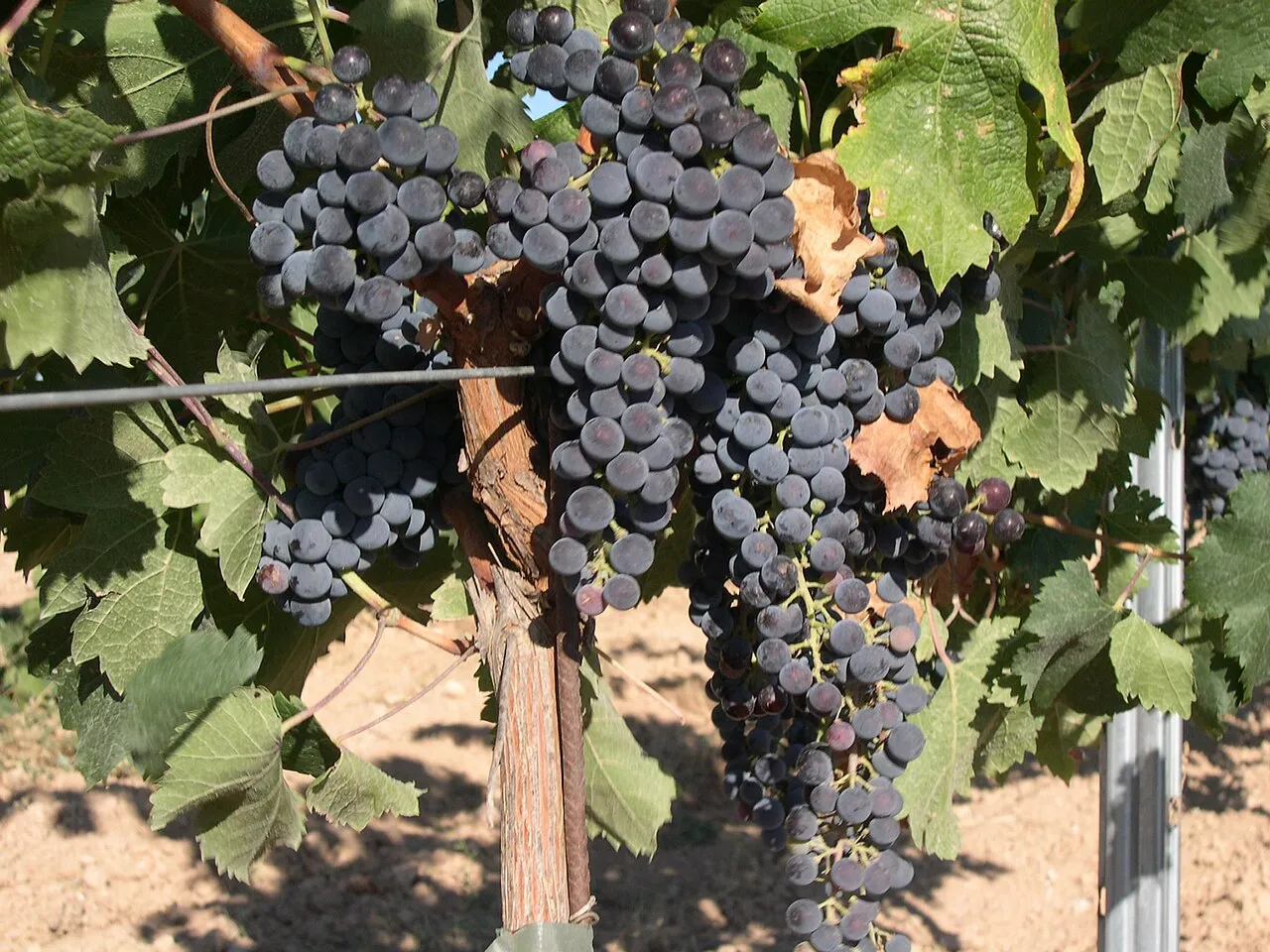
Main grapes: Bordeaux
- Merlot (black, France, Bordeaux (Libournais))
- Cabernet sauvignon (black, France, Bordeaux area)
- Cabernet franc (black, France, South-West (Libournais probable))
- Sémillon (white, France, Bordeaux region)
- Sauvignon blanc (white, France, Loire Valley or South-West France)
Secondary and minor grapes
- Malbec (Côt) (black, France, Quercy (Lot))
- Petit verdot (black, France, South-West (Bordeaux))
- Carménère (black, France, Bordeaux area)
- Colombard (white, France, Charentes)
- Ugni blanc (white, Italy, central Italy)
- Marselan (black, France, Hérault (Languedoc))
- Touriga nacional (black, Portugal, probably Dão)
- Albariño (white, Spain (Galicia) and northern Portugal)
Other grapes grown: Muscadelle, Sauvignon gris, Merlot blanc, Arinarnoa, Castets, Liliorila.
A vineyard of blends
The Bordeaux vineyard is a vineyard of blends: the great majority of its wines combine several grapes, in proportions that vary with the terroir, the château and the vintage. This practice responds to the oceanic climate of the Gironde, where an early-ripening grape and a late-ripening grape do not necessarily succeed in the same year.
Plantings are dominated by red. Merlot is by far the most planted grape in Bordeaux, ahead of cabernet sauvignon and cabernet franc. For whites, sémillon and sauvignon blanc share most of the area.
The main sub-regions
The vineyard is read first in relation to its two rivers, the Garonne and the Dordogne, which meet in the Gironde estuary.
- Left Bank: the Médoc and Haut-Médoc (with Saint-Estèphe, Pauillac, Saint-Julien, Margaux, Listrac-Médoc and Moulis), then the Graves, Pessac-Léognan and the Sauternais south of Bordeaux. The gravel soils (pebbles and sand) favour cabernet sauvignon.
- Entre-deux-Mers: the plateau between the Garonne and the Dordogne, known for its dry whites and for many AOC Bordeaux reds.
- Right Bank: the Libournais (Saint-Émilion, Pomerol, Fronsac, Lalande-de-Pomerol), the Blayais and the Bourgeais. Clays and limestones there give the advantage to merlot.
The regional Bordeaux and Bordeaux supérieur appellations cover the whole wine-growing Gironde and produce a large share of the volume.
Grapes by main appellation
The table below summarises the dominant grapes. Actual proportions vary from one estate to another; only general trends are shown.
| Appellation or area | Colour | Dominant grapes | Complementary grapes |
|---|---|---|---|
| Médoc, Haut-Médoc, communal appellations | Red | Cabernet sauvignon, merlot | Cabernet franc, petit verdot, malbec, carménère |
| Graves, Pessac-Léognan | Red | Cabernet sauvignon, merlot | Cabernet franc, petit verdot |
| Graves, Pessac-Léognan | White | Sauvignon blanc, sémillon | Muscadelle |
| Saint-Émilion, Pomerol, Fronsac | Red | Merlot | Cabernet franc, cabernet sauvignon |
| Sauternes, Barsac | Sweet white | Sémillon | Sauvignon blanc, muscadelle |
| Entre-deux-Mers | Dry white | Sauvignon blanc, sémillon | Muscadelle |
| Bordeaux, Bordeaux supérieur | Red, rosé, white | Merlot, cabernets; sauvignon, sémillon | Malbec, petit verdot, carménère, colombard, ugni blanc, adaptation varieties |
The red grapes
Merlot makes supple, round, fruity wines. Early-ripening, it is prone to coulure and, in hot years, to overripeness.
Cabernet sauvignon brings tannic structure, colour and ageing potential. Late-ripening, it needs the warm soils of the Left Bank to ripen fully. The difference between the two is detailed in the comparison merlot or cabernet sauvignon.
Cabernet franc, parent of cabernet sauvignon and merlot, plays an important role in Saint-Émilion, where it brings freshness and floral notes.
Three grapes complete the range:
- petit verdot, very late-ripening, used in small proportions for colour and tannins in the Médoc;
- malbec, once very widespread in Bordeaux, now marginal;
- carménère, a historic grape of the Gironde, almost vanished after phylloxera and now famous in Chile.
The white grapes
Sémillon is the pillar of the sweet wines: its thin skin makes it receptive to noble rot (Botrytis cinerea) in the Sauternais. It also makes full dry whites, notably in the Graves.
Sauvignon blanc brings liveliness and aromas (citrus, boxwood). It often dominates the dry whites of Entre-deux-Mers and AOC Bordeaux.
Muscadelle, unrelated to the muscats despite its name, adds a floral touch to blends. Sauvignon gris, colombard, ugni blanc and merlot blanc are also among the grapes permitted as complements in white AOC Bordeaux.
Known grape rules
Each appellation sets out in its specification the list of permitted grapes and, sometimes, proportions. To learn how to read these documents, see the guide reading an AOC specification.
A few principles are found in most Bordeaux appellations:
- the reds combine principal grapes (merlot, the cabernets) with limited accessory grapes;
- the sweet wines (Sauternes, Barsac, Loupiac, Cadillac, Sainte-Croix-du-Mont) rely on sémillon, sauvignon and muscadelle;
- the grape name is generally not highlighted on the label of Bordeaux AOCs, although it may be under certain conditions.
Forgotten grapes and revivals
Before phylloxera, Bordeaux grew far more varieties than today. Carménère and malbec held an important place. Castets, an old black grape of South-West France, survived only in a few collections before being reintroduced in 2021 among the adaptation varieties.
Some estates are also replanting a little carménère or petit verdot to gain freshness or complexity, but these grapes remain a minority.
Recent developments: climate change and new grapes
In 2021, INAO approved the introduction of six varieties of interest for adaptation purposes (VIFA) in the Bordeaux and Bordeaux supérieur AOCs:
| Variety | Colour | Note |
|---|---|---|
| Arinarnoa | Black | Tannat × cabernet sauvignon cross bred by INRA |
| Castets | Black | Old grape of South-West France |
| Marselan | Black | Cabernet sauvignon × grenache noir cross |
| Touriga nacional | Black | Great Portuguese grape of the Douro |
| Alvarinho (albariño) | White | Grape of Minho and Galicia |
| Liliorila | White | Baroque × chardonnay cross |
These varieties are capped at 5% of the estate’s plantings and 10% of the blend. Their name may not appear on the label. Petit manseng, considered for a time, was not retained. These grapes are subject to an observation period before being confirmed or withdrawn.
The vineyard is also interested in disease-resistant grapes, still confined to IGP and Vin de France, and more broadly in grape varieties and climate change.
Frequently asked questions
What are the main grape varieties of Bordeaux?
For reds, merlot is the most planted grape, followed by cabernet sauvignon and cabernet franc. For whites, sémillon and sauvignon blanc dominate, complemented by muscadelle. Most Bordeaux wines are blends of several of these grapes.
Why does merlot dominate on the Right Bank?
Merlot ripens earlier than cabernet sauvignon and thrives on the cool clay and limestone soils of the Libournais (Saint-Émilion, Pomerol). Cabernet sauvignon, later-ripening, prefers the warm, free-draining gravels of the Left Bank, notably in the Médoc.
Which new grapes are permitted in Bordeaux?
In 2021, INAO admitted six varieties of interest for adaptation purposes in the Bordeaux and Bordeaux supérieur AOCs: arinarnoa, castets, marselan and touriga nacional for reds, alvarinho and liliorila for whites. They are limited to 5% of the estate's plantings and 10% of the blend, and their name does not appear on the label.
Can a Bordeaux be a single-varietal wine?
Yes, nothing prohibits a Bordeaux made from a single grape, for example a 100% merlot on the Right Bank. But the Bordeaux tradition is blending, which makes it possible to offset vintage variations between early- and late-ripening grapes.