Malbec or côt: the Cahors grape that became an Argentine emblem
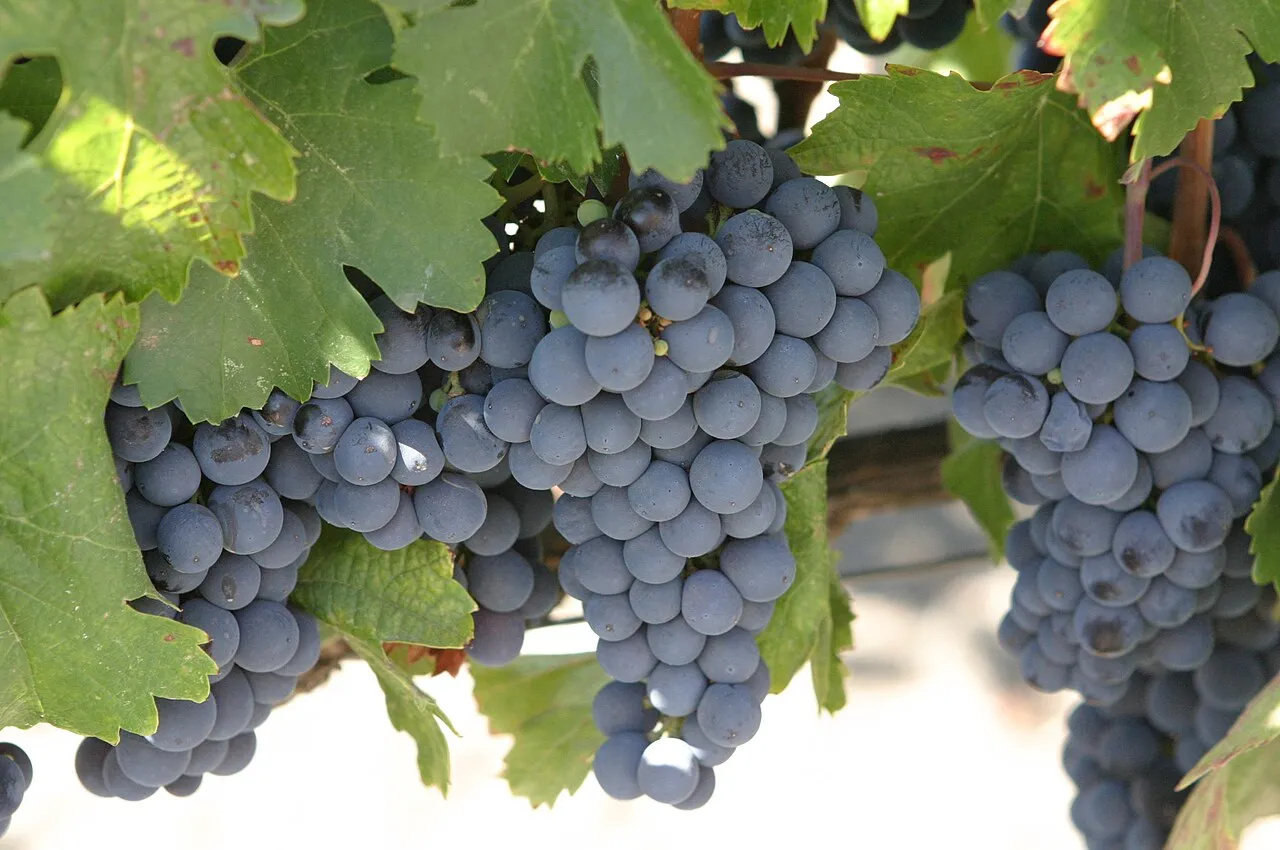
Profile: Malbec (Côt)
| Berry colour | Black grape (N) |
|---|---|
| Species / status | Vitis vinifera |
| Origin | France, Quercy (Lot) |
| Parentage | Prunelart × Magdeleine noire des Charentes (DNA analysis) |
| Synonyms | Côt, Côt noir, Auxerrois (Cahors), Pressac (old Bordeaux name) |
| French regions | Bordeaux, Loire Valley, South-West France |
| Grown in | Argentina, France, Chile, United States, South Africa, Australia |
| Typical aromas | blackberry, plum, black cherry, violet, liquorice, cocoa (ageing) |
| Wine style | Very deeply coloured, tannic, dark reds in Cahors, rounder, riper and fruitier in high-altitude Argentina. |
| Food pairings | duck confit, cassoulet, grilled beef (asado), Quercy lamb |
| Identifiers | VIVC no. 2889, Wikidata Q1414045 |
Origin: a grape of the Quercy
Malbec originates from the Quercy, in what is now the Lot département, around Cahors. In France, its historic name is côt, which the ampelographer Pierre Galet considered to be its original name. The name “malbec” is said to come from a personal name, but the exact etymology remains uncertain.
The grape spread to the Bordeaux region, where it was known as pressac, and to the Loire, where it is still present in Touraine. It has more than a thousand recorded synonyms, a sign of its wide, ancient spread.
Parentage revealed by DNA
The genetic work that identified the mother of merlot also shed light on the origin of côt. Malbec comes from a natural cross between:
- prunelart, a black grape of the South-West that had almost disappeared, now being revived in the Gaillac area;
- Magdeleine noire des Charentes, a grape rediscovered in gardens in Brittany and the Charentes.
Since Magdeleine noire is also the mother of merlot, the two grapes are half-siblings. To understand these relationships, see DNA parentage of grape varieties.
The angle to know: one grape, two homelands
The history of malbec comes down to a reversal: a grape of the Quercy, in decline in France, became the viticultural emblem of Argentina.
| Benchmark | Cahors (France) | Mendoza (Argentina) |
|---|---|---|
| Usual name | Côt, auxerrois | Malbec |
| Climate | Oceanic with southern influence | Continental, dry, high altitude |
| Wine profile | Very deeply coloured, tannic, austere when young | Rounder, fruity, suppler tannins |
| Blending rule | Cahors AOC: at least 70% côt | Often made as a single variety |
| Viticultural challenge | Coulure, rot, frost | Irrigation, intense sunshine |
In Argentina, malbec was introduced in the 19th century by the French agronomist Michel Aimé Pouget, at the request of the Argentine government. Sources differ on the exact date, between the middle of the century and the late 1860s. The dry climate of Mendoza allows it to ripen reliably, without the flowering accidents common in France.
In France, the frost of 1956 destroyed a large part of the malbec in the Bordeaux region, and it was generally not replanted. Cahors, also hit, rebuilt its vineyard around côt.
In the vineyard
Côt is a grape prone to coulure, which makes its yields irregular in humid climates. It is also sensitive to downy mildew, grey rot and frost. It likes warm, well-drained soils: the terraces of the Lot and the limestone causses at Cahors.
The wines
In Cahors, côt gives very deeply coloured, tannic wines with aromas of blackberry, plum and liquorice, often austere in youth and able to age. The rest of the blend may come from merlot or tannat.
It is also a supporting grape in other South-West wines (Fronton, Buzet, Côtes de Duras) and goes into several Touraine appellations.
In Argentina, the malbecs of Mendoza and the Uco Valley are suppler, riper and more violet. The grape is also present in Chile, the United States and South Africa.
Where it is grown in France
- South-West: Cahors above all, plus a few neighbouring appellations. See the grapes of the South-West.
- Bordeaux region: marginal presence since 1956. See the grapes of Bordeaux.
- Loire Valley: in Touraine, blended with gamay and cabernet franc.
Genealogy of Malbec (Côt)
Identified parents (Wikidata): Prunelart and Magdeleine noire des Charentes.
Further reading
Frequently asked questions
Are malbec and côt the same grape?
Yes. Côt is the historic name of the grape in France, probably its original name according to the ampelographer Pierre Galet. Malbec is the name that has become established internationally, particularly in Argentina. In Cahors, it is also called auxerrois, not to be confused with the white auxerrois of Alsace.
What percentage of malbec is in a Cahors?
The Cahors AOC specification requires at least 70% côt in the blend. The remainder may be merlot or tannat. Many Cahors are in fact made from 100% malbec.
Why is malbec so widely grown in Argentina?
It was introduced there in the 19th century by the French agronomist Michel Aimé Pouget, at the initiative of the Argentine government, along with other French grapes. The dry, sunny climate of high-altitude Mendoza allows it to ripen reliably, without the problems of coulure and rot that it meets in France.
Why do people talk about the "black wine" of Cahors?
The expression refers to the very dark colour of Cahors wines, due to the richness of côt in pigments. Historically, these wines were also used to strengthen the colour of paler wines. It remains a communication image for the appellation today.