Négrette: the black grape of the Frontonnais
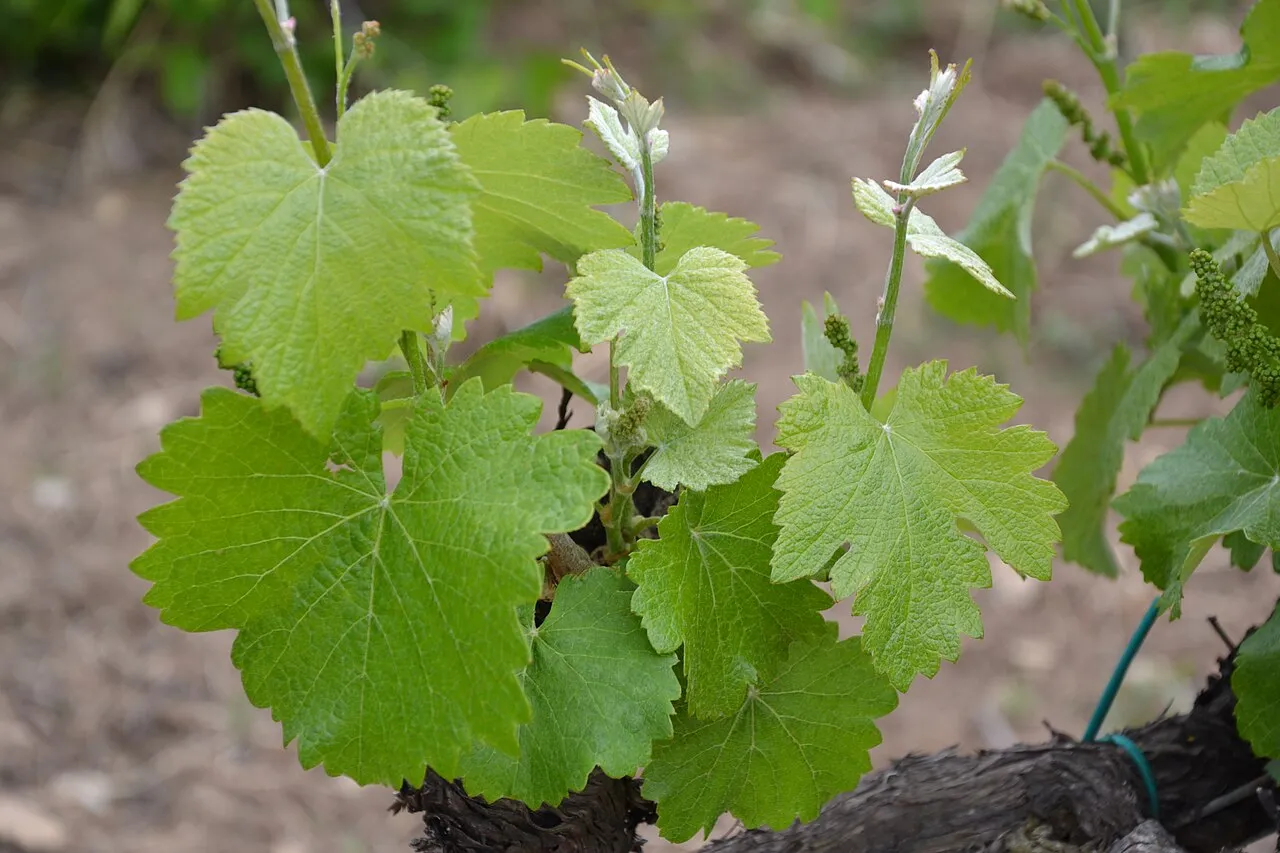
Profile: Négrette
| Berry colour | Black grape (N) |
|---|---|
| Species / status | Vitis vinifera |
| Origin | France, South-West (between Toulouse and Albi) |
| Synonyms | Négret de Gaillac, Négrette de Fronton, Pinot St George (California, banned since 1997) |
| French regions | South-West France |
| Grown in | France, United States |
| Typical aromas | violet, blackcurrant, raspberry, liquorice, peony, pepper |
| Wine style | Supple, fragrant reds with moderate tannins, and floral rosés, to drink in their first years. |
| Food pairings | Toulouse sausage, cassoulet, grilled duck breast, charcuterie |
| Identifiers | VIVC no. 8452, Wikidata Q464575 |
Origin: a grape of the Toulouse country
Négrette is a black grape of South-West France, grown mainly between Toulouse, Montauban and Albi. Its name refers to the dark colour of its berries.
A local tradition attributes its introduction to the Knights Hospitaller of Saint John of Jerusalem, who are said to have brought it back from Cyprus in the Middle Ages. No published historical or genetic evidence supports this account. It belongs to legend, like many distant origins lent to grapes. DNA analyses have not, to date, established a consensus parentage for négrette.
The angle to know: one grape, one appellation
Négrette is an example of a grape whose commercial existence rests almost entirely on a single appellation: Fronton, north of Toulouse.
| Fronton AOC rule (reds and rosés) | Content |
|---|---|
| Share of négrette | Between 50 and 70% |
| Complementary grapes | Cabernet franc, cabernet sauvignon, côt, fer servadou, syrah, cinsault, gamay, among others |
| Cap on the cabernets | Limited in combined proportion |
| Diversity | Several compulsory grapes in the blend |
The 50% floor guarantees the identity of the wine, the 70% ceiling imposes a blend that offsets the grape’s weaknesses: moderate tannins, sometimes medium colour. To read this kind of rule, see reading an AOC specification.
The Fronton vineyard extends over the terraces of gravel (graves) and boulbènes between the Tarn and the Garonne, poor and free-draining soils that suit négrette.
In the vineyard
Négrette is a delicate grape:
- sensitive to powdery mildew and grey rot, because of its compact bunches;
- rather suited to free-draining soils and climates where autumn is dry;
- vulnerable to excess humidity, which explains its decline in the 20th century.
These weaknesses have limited its spread outside the Frontonnais and explain its place among the regional grapes that people are trying to preserve. See forgotten grapes of South-West France.
The wines
Négrette makes supple, fragrant and fruity wines, with moderate tannins. Its most cited aroma is violet, accompanied by notes of blackcurrant, raspberry, liquorice and sometimes pepper.
It lends itself well to:
- the reds of Fronton, blended with cabernet franc, malbec or fer servadou;
- rosés, floral and fresh;
- a few cuvées made on their own, outside the appellation or as IGP.
These wines are generally drunk in their first years, although some reds can withstand a few years of ageing.
Where it is grown
- Fronton: by far its main zone. See the grapes of South-West France.
- Gaillac area and surroundings: long-standing presence, under the name négret.
In California, négrette was planted and sold under the name pinot St George, with no link to pinot. This misleading name was banned in 1997 by the US federal administration (BATF). This case is a typical example of a commercial homonym. See synonyms and homonyms.
For an overview of the other rare grapes, see the section on rare and forgotten grapes.
Further reading
Frequently asked questions
What proportion of négrette is there in a Fronton wine?
The red and rosé wines of the Fronton AOC must contain between 50 and 70% négrette. The remainder comes from other authorised grapes, including the cabernets, côt, fer servadou, syrah or gamay. The cabernets combined are capped.
Does négrette come from Cyprus?
A local tradition claims that the Knights Hospitaller of Saint John of Jerusalem brought négrette back from Cyprus in the Middle Ages. This account is supported by no published documentary or genetic evidence. It should be considered a legend.
Is négrette grown outside France?
It has been planted in California, where it was sold under the name "pinot St George". This misleading name, which suggests a link with pinot, was banned in 1997 by the American authorities. The grape remains very marginal there.
Why is négrette so little planted?
It is sensitive to powdery mildew and grey rot, which makes it delicate to grow in humid climates. It declined during the 20th century and became concentrated in the Frontonnais, where the appellation makes it the main grape.
Related grapes
- Fer servadou (black, France, South-West)
- Malbec (Côt) (black, France, Quercy (Lot))
- Cabernet franc (black, France, South-West (Libournais probable))
- Tannat (black, France, South-West (Pyrenean foothills))
- Duras (black, France, Tarn (Gaillac))
- Prunelart (black, France, Tarn (Gaillac))