The grape varieties of the Burgundy vineyard
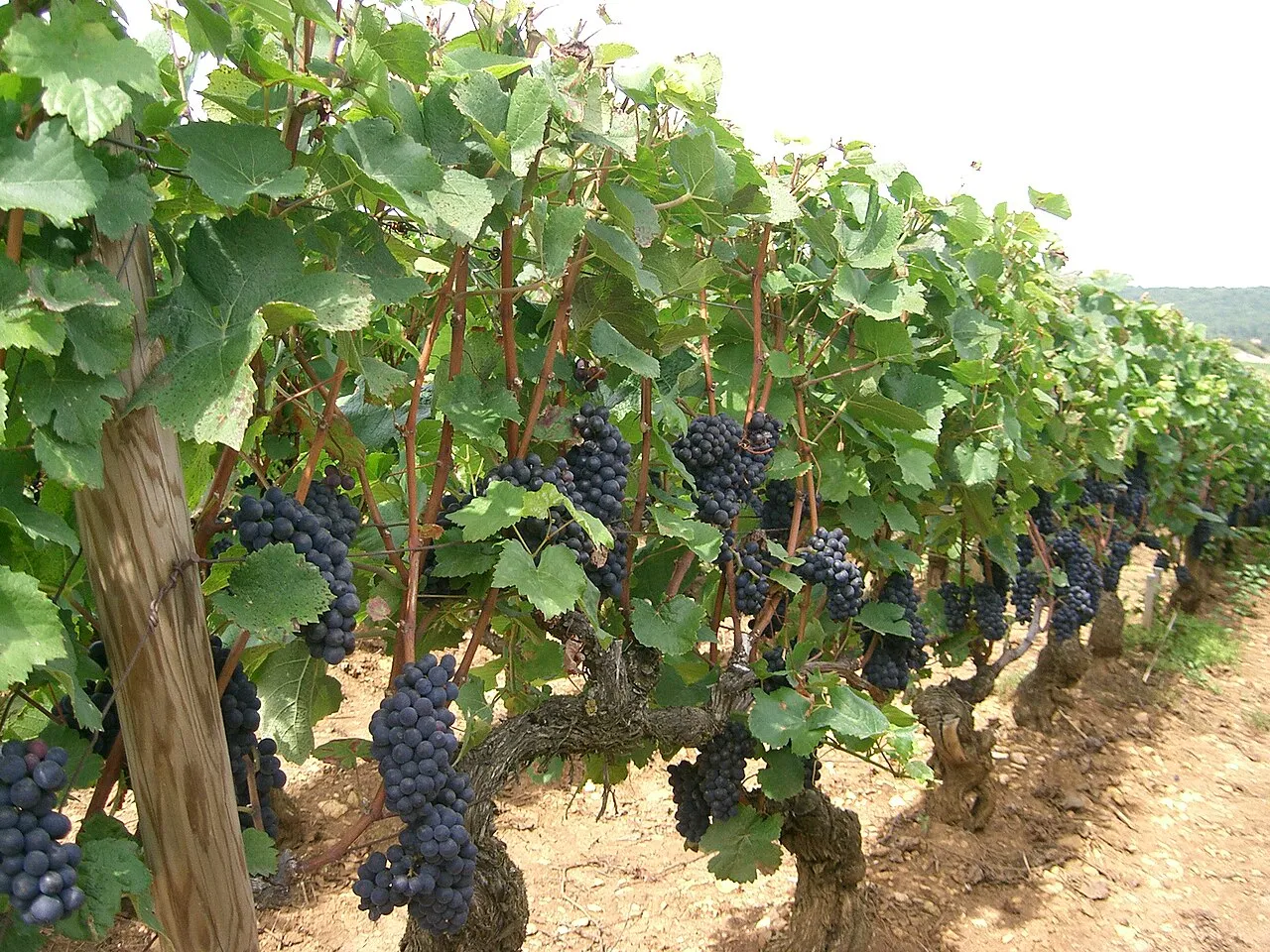
Main grapes: Burgundy
- Pinot noir (black, France, Burgundy)
- Chardonnay (white, France, Burgundy)
Secondary and minor grapes
- Aligoté (white, France, Burgundy)
- Gamay (black, France, Burgundy)
- Sauvignon blanc (white, France, Loire Valley or South-West France)
- Pinot blanc (white, France, Burgundy (pinot mutation))
- Pinot gris (grey, France, Burgundy (pinot mutation))
- Melon de Bourgogne (white, France, Burgundy)
Other grapes grown: César, Pinot beurot, Sacy, Tressot.
A vineyard of single-varietal wines
Burgundy is the model of the single-varietal wine: each communal appellation or cru is, in practice, made from a single grape. Pinot noir makes the reds, chardonnay the whites. The terroir, divided into thousands of “climats”, thus takes the leading role.
This logic explains the frequent absence of the grape name on the label. To go further on this question, see the guide single varietal or blend.
The main areas
The Burgundy vineyard stretches from the north of the Yonne to the south of Saône-et-Loire.
- Chablis and Grand Auxerrois (Yonne): Chablis and its crus, Irancy, Saint-Bris, Côtes d’Auxerre, Tonnerre.
- Côte de Nuits: the great slope of reds, from Marsannay to Nuits-Saint-Georges (Gevrey-Chambertin, Vosne-Romanée, Chambolle-Musigny).
- Côte de Beaune: from Ladoix to the Maranges, with the great whites of Meursault, Puligny-Montrachet and Chassagne-Montrachet, and renowned reds (Pommard, Volnay).
- Côte chalonnaise: Bouzeron, Rully, Mercurey, Givry, Montagny.
- Mâconnais: mainly chardonnay whites (Pouilly-Fuissé, Saint-Véran, Viré-Clessé, Mâcon-Villages).
- Châtillonnais: a small area in the north of the Côte-d’Or, focused notably on crémant.
Grapes by main appellation
| Appellation | Colour | Grape(s) |
|---|---|---|
| Chablis (all categories) | White | Chardonnay |
| Irancy | Red | Pinot noir, with césar possible |
| Saint-Bris | White | Sauvignon blanc and sauvignon gris |
| Bouzeron | White | Aligoté |
| Côte d’Or communal appellations and crus | Red / white | Pinot noir / chardonnay |
| Mâconnais (Pouilly-Fuissé, Saint-Véran) | White | Chardonnay |
| Bourgogne aligoté | White | Aligoté |
| Bourgogne Passe-tout-grains | Red, rosé | Pinot noir and gamay blended |
| Coteaux bourguignons | Red, rosé, white | Pinot noir, gamay, chardonnay, aligoté, among others |
| Crémant de Bourgogne | Sparkling | Pinot noir, chardonnay, with other permitted grapes |
Pinot noir and chardonnay
Pinot noir is an early-ripening, thin-skinned grape, demanding and prone to grey rot. It makes lightly coloured reds of great aromatic finesse (cherry, raspberry, undergrowth with age).
Chardonnay was born in Burgundy from a natural cross between pinot and gouais blanc. Not very aromatic in itself, it expresses the terroir: taut in Chablis, full in the Côte de Beaune, fruitier in the Mâconnais.
The secondary grapes
Aligoté is the second white grape of Burgundy. Long confined to Bourgogne aligoté and kir, it is enjoying renewed interest, notably in Bouzeron, the only communal appellation devoted to it.
Gamay is present mainly in the south of the region and goes into Passe-tout-grains and Coteaux bourguignons. It was opposed as early as the Middle Ages: in 1395, Philip the Bold ordered the uprooting of the “disloyal gamay”. The comparison gamay or pinot noir details their differences.
Sauvignon blanc is the exception of the Yonne: it is the grape of the Saint-Bris appellation, the only one in Burgundy based on sauvignon.
Pinot blanc and pinot gris (locally called pinot beurot) are permitted in small proportions in some appellations. Melon de Bourgogne, born in Burgundy as its name indicates, has almost disappeared from it and now thrives in the Pays nantais.
Known grape rules
- The communal appellations and crus of the Côte d’Or are reserved for pinot noir (reds) and chardonnay (whites), with limited tolerances for pinot blanc and pinot gris in some texts.
- Bourgogne Passe-tout-grains must contain more than 30% pinot noir and more than 15% gamay; chardonnay, pinot blanc and pinot gris together remain below 15%.
- Coteaux bourguignons, created in 2011 to replace Bourgogne grand ordinaire, permit a wide range of grapes, including gamay.
- In Irancy, césar, a rustic and tannic black grape, may complement pinot noir in a limited proportion.
Forgotten grapes and revivals
Several old grapes of the Yonne have almost disappeared: césar, saved in Irancy; tressot, a black grape of the Auxerrois that has become very rare; sacy, a white grape once used for base wines or crémants. These varieties now belong mainly to grape variety conservatories.
Pinot beurot (pinot gris) is still found in a few old plots of the Côte. As for gouais blanc, parent of chardonnay, aligoté and gamay, it has virtually disappeared from the vineyards.
Recent developments
Climate warming brings harvests forward and strengthens the ripeness of pinot noir and chardonnay. It also exposes the vines more to spring frosts, as budburst comes earlier. The region is interested in better-adapted clones and mass selections (see clones and mass selection), and aligoté, later-ripening and more acidic, is regaining interest for its freshness.
Frequently asked questions
What are the grape varieties of Burgundy?
The two major grapes are pinot noir for reds and chardonnay for whites. Aligoté, gamay, sauvignon blanc (in Saint-Bris), césar (in Irancy), pinot blanc and pinot gris (called pinot beurot) are also grown, in much smaller proportions.
Why is the grape not shown on Burgundy bottles?
In Burgundy, the appellation (village, premier cru or grand cru) is enough to identify the wine, and each appellation in practice permits only one or two grapes. A Gevrey-Chambertin is a pinot noir, a white Meursault is a chardonnay. The grape name appears mainly on regional AOCs such as Bourgogne pinot noir or Bourgogne chardonnay.
What is Bourgogne Passe-tout-grains?
It is a regional appellation that blends pinot noir and gamay. The specification requires more than 30% pinot noir and more than 15% gamay, with a small possible share of white grapes. It is one of the few Burgundy wines founded on blending.
Is gamay permitted in Burgundy?
Yes, in some regional appellations such as Bourgogne Passe-tout-grains and Coteaux bourguignons. It is, however, excluded from the communal appellations and crus of the Côte d'Or, which are reserved for pinot noir for reds.