The Graves appellation and its grape varieties, red and white
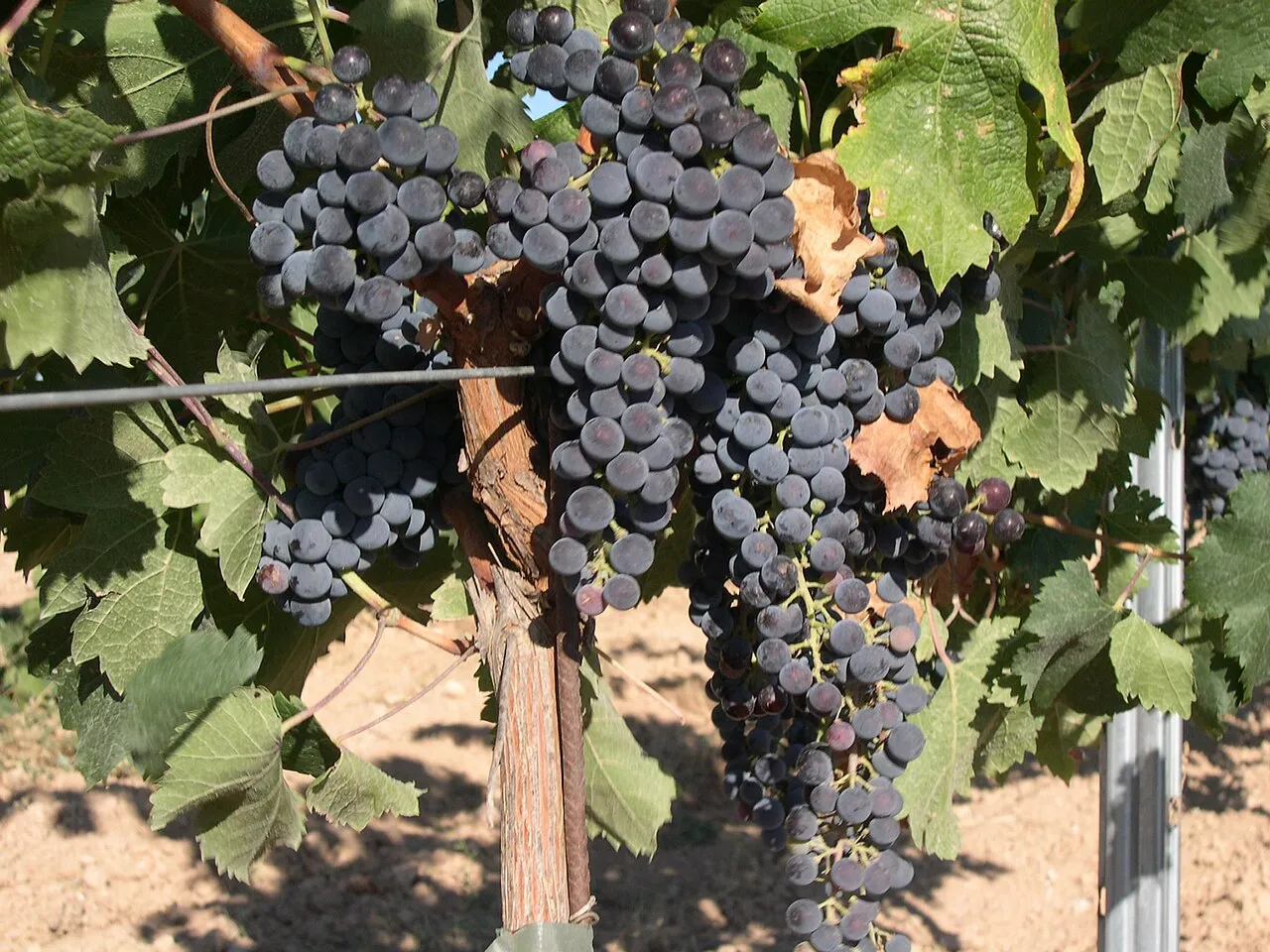
A left-bank appellation
The Graves appellation was recognised by decree of 4 March 1937. It extends along the left bank of the Garonne, south of Bordeaux, towards Langon. It surrounds the sweet-wine appellations of Sauternes and Barsac.
Its name comes from its soils: gravel, pebbles, sand and clay brought by the Garonne over the ages. These free-draining soils warm up quickly and give back heat, which helps the grapes ripen.
Authorised grape varieties
| Colour | Grapes | Usual role |
|---|---|---|
| Red | Merlot, cabernet sauvignon, cabernet franc | Base of the blends |
| Red | Carménère, malbec (cot), petit verdot | Complements |
| White | Sémillon, sauvignon blanc | Base of the blends |
| White | Sauvignon gris, muscadelle | Complements |
The reds
As in the rest of Bordeaux, red is a blended wine. Merlot brings roundness and fruit, cabernet sauvignon structure and ageing potential, cabernet franc aromatic finesse. Petit verdot, malbec and carménère remain in the minority.
The warm gravel soils suit cabernet sauvignon, a late-ripening grape. The comparison merlot or cabernet sauvignon details what each brings.
The whites
Graves is one of the few areas of Bordeaux renowned as much for its whites as for its reds. Sémillon gives richness and ages well; sauvignon blanc brings freshness and citrus aromas. Their blend, often aged in barrel in the best estates, gives dry whites that keep well.
Muscadelle and sauvignon gris sometimes complete the blend with more floral notes.
Graves supérieures
The sweet and liquorous whites of Graves carry the Graves supérieures appellation. It was reintegrated into the Graves specification by an order of September 2025. These wines use the same white grapes, harvested riper, sometimes affected by noble rot.
Graves and Pessac-Léognan
The northern part of Graves, closest to Bordeaux, forms a separate appellation, Pessac-Léognan. It brings together the classified growths of Graves. The rest of the area continues to produce under the Graves appellation.
To place Graves within Bordeaux as a whole, see the Bordeaux page. The guide reading an AOC specification explains how to check the authorised grapes and their proportions in the latest approved version.
Grapes mentioned in this feature
- Merlot (black, France, Bordeaux (Libournais))
- Cabernet sauvignon (black, France, Bordeaux area)
- Cabernet franc (black, France, South-West (Libournais probable))
- Carménère (black, France, Bordeaux area)
- Malbec (Côt) (black, France, Quercy (Lot))
- Petit verdot (black, France, South-West (Bordeaux))
- Sémillon (white, France, Bordeaux region)
- Sauvignon blanc (white, France, Loire Valley or South-West France)
Frequently asked questions
Where does the name Graves come from?
From the soils of the appellation, made of gravel, pebbles, sand and clay deposited by the Garonne. These free-draining soils, which give back heat, suit the late-ripening Bordeaux grapes well.
Which grape varieties go into a white Graves?
Sémillon, sauvignon blanc, sauvignon gris and muscadelle. Dry whites most often combine sémillon and sauvignon blanc.
What is Graves supérieures?
It is an appellation for sweet or liquorous white wines, made from the same white grapes. It was reintegrated into the Graves specification by an order of September 2025.
What is the link between Graves and Pessac-Léognan?
Pessac-Léognan is a separate appellation, created in the northern part of Graves, closest to Bordeaux. It notably brings together the classified growths of Graves.