Vermentino around the Mediterranean: where it grows and what it is called
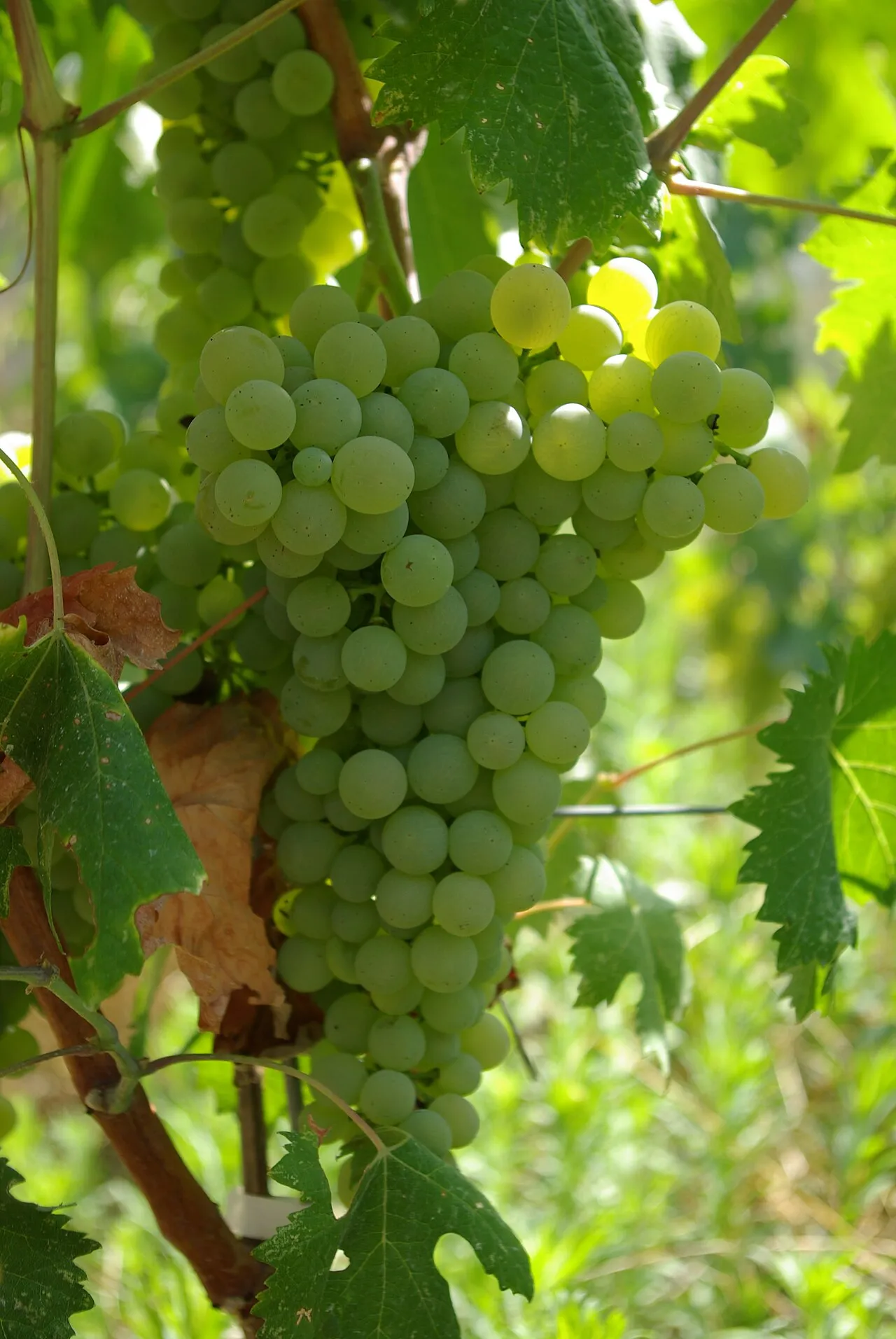
A grape of the western Mediterranean
Vermentino is a white grape whose precise origin remains unknown. It is established along an arc running from Sardinia to Provence, through Corsica, Liguria and Tuscany. Like many old varieties, it has been given a different name in each region, which blurs its geography for the consumer.
This feature complements the grape’s page: it focuses on where it is grown and the names it carries.
The names of vermentino
| Name | Region | Note |
|---|---|---|
| Vermentino | Italy, Languedoc, international use | Reference name |
| Rolle | Provence, Languedoc | Traditional name in mainland France |
| Vermentinu | Corsica | Corsican form |
| Malvoisie de Corse | Corsica | Old name, a source of confusion with the malvasias |
| Pigato | Liguria | Considered a form of vermentino |
| Favorita | Piedmont | Considered a form of vermentino |
These double names are not an exception: the guide synonyms and homonyms explains how DNA analysis made it possible to group together varieties long thought to be distinct.
In France
In Corsica, vermentinu is the island’s white grape. It is the basis of the whites of Patrimonio, the first Corsican appellation recognised in 1968, of Ajaccio and of Vins de Corse. It can also be added to some reds and rosés. The Corsica page presents all the island’s varieties.
In Provence, rolle is the main white grape. It dominates the whites of Côtes de Provence, with clairette, sémillon and ugni blanc, and those of Bellet, near Nice. Several appellations also allow it in small proportion in rosés. See the Provence page.
In Languedoc-Roussillon, it is one of the main varieties of the whites of Corbières and Minervois, alongside grenache blanc, roussanne, marsanne and bourboulenc. It plays a role of aromatic freshness there. The Languedoc-Roussillon page details the appellations.
In Italy
In Sardinia, Vermentino di Gallura, in the north-east of the island, is the only Sardinian DOCG. The Vermentino di Sardegna appellation covers the rest of the island.
In Liguria, the grape is grown under the names vermentino and pigato, on narrow terraces facing the sea.
In Tuscany, it has developed on the coast, notably in the Maremma, where it gives aromatic dry whites.
Outside the Mediterranean
Vermentino has been planted in Australia and the United States, particularly in warm areas where a white that keeps its freshness is wanted. Plantings there remain modest.
Why it suits hot climates
Vermentino tolerates heat and drought well, and its grapes keep clear aromas in a Mediterranean climate. This is one of the reasons for its recent spread in the south of France, in a context of warming, as the guide grape varieties and climate change explains.
Grapes mentioned in this feature
- Vermentino (white, Western Mediterranean (exact origin unknown))
- Clairette (white, France, Midi)
- Roussanne (white, France, northern Rhône Valley)
- Marsanne (white, France, northern Rhône valley)
Frequently asked questions
Are rolle and vermentino the same grape?
Yes. Rolle is the traditional name of vermentino in Provence and part of Languedoc. French labels use one name or the other.
Where is vermentino found in France?
In Corsica, where it is the main white grape (Patrimonio, Ajaccio, Vin de Corse), in Provence, where it dominates the whites of Côtes de Provence and Bellet, and in Languedoc-Roussillon, where it goes into the blends of Corbières, Minervois and other appellations.
What is the main Italian appellation for vermentino?
Vermentino di Gallura, in north-east Sardinia, is the island's only DOCG. The grape is also present in Liguria, under the names vermentino and pigato, and on the Tuscan coast.
What does a vermentino wine taste like?
It is generally an aromatic dry white, with notes of citrus, white flowers and Mediterranean herbs, with a finish that is often slightly bitter. It is most often drunk young.