The United States, the other country of chardonnay
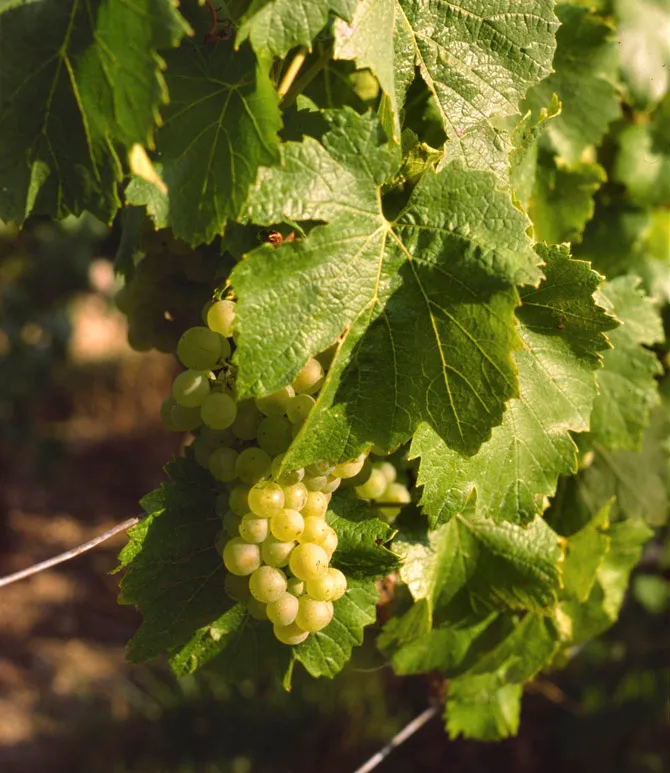
A Burgundian grape that became American
Chardonnay was born in Burgundy from a natural cross between pinot and gouais blanc. It left its birthplace to become one of the most planted white grapes in the world. In the United States it holds a special place: it is the most planted white grape in California, according to Wine Institute statistics based on US Department of Agriculture surveys.
Its success rests on its flexibility. Not very aromatic in itself, it adapts to varied climates and takes on the mark of winemaking strongly, which allowed American producers to create a style of their own.
The main regions
| Region | Dominant climate | Typical style |
|---|---|---|
| California, warm inland valleys | Warm | Full, fruity whites, high production volume |
| California, coastal areas (Sonoma, Carneros, Central Coast) | Tempered by the ocean | Crisper whites, often aged in barrel |
| Oregon | Cool | Lively whites, often made alongside pinot noir |
| Washington State | Continental, dry | Fruity whites, varied styles |
| New York State (Finger Lakes) | Cool | Light, acidic whites |
In California, the influence of the Pacific Ocean is decisive: fog and coastal breezes cool some areas and allow crisper chardonnays than those of the inland valleys.
The Judgment of Paris
In 1976, a blind tasting held in Paris pitted Californian wines against great French wines. Among the whites, the chardonnay from Chateau Montelena came first ahead of white Burgundies. Among the reds, a Californian cabernet sauvignon also won. The event, widely reported, established the idea that California could rival the historic vineyards.
Two styles, one evolution
For a long time, Californian chardonnay was associated with a full, oaky and buttery style. This profile comes from very ripe grapes, complete malolactic fermentation and ageing in new barrels. It contributed to the grape’s commercial success, then to a certain backlash from wine lovers tired of oak.
Since then, many producers have been looking for more tension: earlier harvests, partial malolactic fermentation, less new oak or stainless steel tanks. American chardonnay now covers a range as wide as that of Burgundy, from Chablis to the Côte de Beaune.
What American chardonnay owes to the label
American wines are most often sold under the name of the grape, unlike Burgundy wines, which put the place first. This habit made the word “chardonnay” known to the global public. The guide grape variety on the label compares European rules with this practice.
For comparison
Chardonnay shares American vineyards with sauvignon blanc, its great rival among whites, compared in chardonnay or sauvignon blanc. Among reds, California is dominated by cabernet sauvignon, with zinfandel as its emblematic grape, and pinot noir thrives in Oregon.
Grapes mentioned in this feature
- Chardonnay (white, France, Burgundy)
- Pinot noir (black, France, Burgundy)
- Sauvignon blanc (white, France, Loire Valley or South-West France)
- Cabernet sauvignon (black, France, Bordeaux area)
- Zinfandel (Primitivo) (black, Croatia, Dalmatia)
Frequently asked questions
What is the most planted white grape in California?
Chardonnay. Statistics published by the Wine Institute, based on US Department of Agriculture (USDA) data, place it first among the state's white grapes.
What is the Judgment of Paris?
It was a blind tasting held in Paris in 1976, which pitted Californian wines against French wines. Among the whites, a Californian chardonnay, from Chateau Montelena, came first ahead of white Burgundies. The event did a great deal for the reputation of American wines.
Why do some American chardonnays taste of butter?
This character comes mainly from malolactic fermentation, which produces diacetyl, and from ageing in new barrels, which adds notes of vanilla and toast. These winemaking choices were very common in California; many producers have since reduced the oak.
Where is chardonnay grown in the United States outside California?
In Oregon, where it is often grown alongside pinot noir, in Washington State and in New York State, notably around the Finger Lakes. California remains by far the leading producing region.