Zinfandel: from California to Croatia, the DNA investigation of a grape
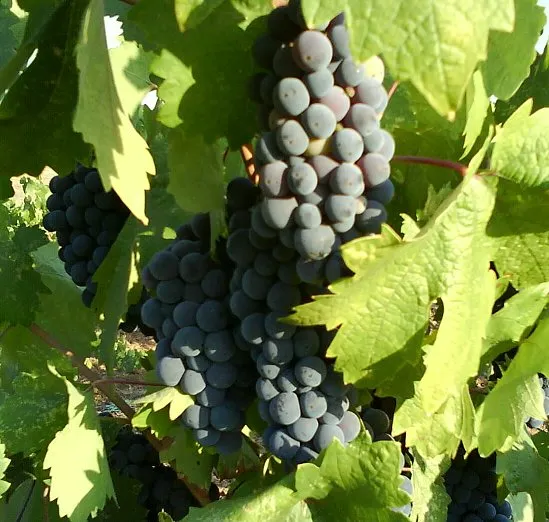
Profile: Zinfandel (Primitivo)
| Berry colour | Black grape (N) |
|---|---|
| Species / status | Vitis vinifera |
| Origin | Croatia, Dalmatia |
| Parentage | Parents unknown; parent of plavac mali with dobričić (DNA analysis) |
| Synonyms | Primitivo (Apulia), Crljenak kaštelanski (Croatia), Tribidrag (historical name), Kratošija (Montenegro) |
| Grown in | United States, Italy, Croatia, Montenegro, Australia, South Africa |
| Typical aromas | blackberry, jammy raspberry, plum, black pepper, liquorice, dried fruit |
| Wine style | Full, alcoholic and very fruity reds, from the powerful old-vine Californian style to the off-dry rosé known as white zinfandel. |
| Food pairings | barbecue, glazed pork ribs, burgers, pizza, orecchiette alla pugliese |
| Identifiers | VIVC no. 9703, Wikidata Q204433 |
One grape, three names, one investigation
Zinfandel is a black grape of Croatian origin that became the symbol of California. For more than a century its origin remained a mystery. Solving it is one of the finest investigations in grapevine genetics.
| Name | Where | Status |
|---|---|---|
| Zinfandel | California | American name, in use since the 19th century |
| Primitivo | Apulia (Italy) | Identical by DNA (1993) |
| Crljenak kaštelanski | Kaštela, Dalmatia | Identical by DNA (2001) |
| Kratošija | Montenegro | Identical by DNA |
| Tribidrag | Adriatic coast | Oldest recorded name (15th century) |
Step 1: the primitivo of Apulia
In the 1960s, an American researcher noticed the resemblance between zinfandel and a grape from Apulia, primitivo. Ampelographers declared them identical in 1972. In 1993, DNA analysis led by Carole Meredith (University of California, Davis) confirmed it: they are two clones of the same variety.
Primitivo is not, however, the grape’s birthplace. It is thought to have reached Apulia from the other side of the Adriatic. Its name is said to come from its early ripening (primo, “first”), and its spread in the Gioia del Colle area is attributed to a late 18th-century priest who had selected an early-ripening vine.
Step 2: the Croatian trail
In the late 1990s, Carole Meredith’s team, encouraged by the Croatian-American winemaker Mike Grgich and working with researchers from the University of Zagreb, analysed Dalmatian grapes. It first found that plavac mali, the great red grape of the coast, is a descendant of zinfandel, and not its parent as had been thought.
The search then narrowed to the old vineyards of Dalmatia. In 2001, a vine sampled in Kaštela, near Split, gave a DNA profile identical to that of zinfandel. The grape is known locally as crljenak kaštelanski (“the red of Kaštela”). It was then almost extinct: only about twenty vines were known.
Step 3: tribidrag, the original name
Historical research then went further back in time. The grape appears as early as the 15th century in documents from the Adriatic coast: under the name kratošija in the statute of the town of Budva (Montenegro), and under the name tribidrag in a Croatian document of 1444. This is now the oldest known name of the variety.
For the method used, see our guide on DNA parentage of grape varieties, and on questions of names, synonyms and homonyms.
Arrival in America
The grape reached the East Coast of the United States in the 1820s, through Long Island nurseries that imported vines from the imperial collection in Vienna and other European sources. It reached California at the time of the Gold Rush and became established there in the second half of the 19th century. The origin of the name “zinfandel” itself remains uncertain.
In the vineyard: uneven ripening
Zinfandel has a dreaded peculiarity: uneven ripening. A single bunch can carry green berries alongside berries that are already shrivelled. Growers must choose between picking early (fresher wines, but with some greenness) or late (very alcoholic wines with notes of candied fruit). Some sort by hand over several passes.
The wines
| Style | Where | Characteristics |
|---|---|---|
| Powerful old-vine red | California (Lodi, Sonoma, Amador, Paso Robles) | Jammy black fruit, pepper, high alcohol |
| Primitivo | Apulia (Primitivo di Manduria, Gioia del Colle) | Plum, dried fruit, warmth |
| Off-dry rosé (white zinfandel) | California | Light, sweet, red fruit |
| Dalmatian red | Croatia | Reviving production, in small quantities |
White zinfandel was born at Sutter Home: first made as a dry rosé in the early 1970s, it became off-dry after a stuck fermentation in 1975 and was a huge commercial success. Paradoxically, this rosé helped save old zinfandel vineyards in California.
Red zinfandel goes well with generous, smoky cooking. Like syrah and grenache noir, it is suited to warm climates.
Labelling differs from country to country
The European Union has recognised zinfandel as a synonym of primitivo since 1999: an Italian primitivo can therefore be exported under the name zinfandel. In the United States, however, the two names are registered as distinct varieties, not as synonyms: an American producer must use the name corresponding to the vine actually grown.
Further reading
Frequently asked questions
Are zinfandel and primitivo the same grape?
Yes. Their genetic identity was confirmed by DNA analysis in 1993 by Carole Meredith's team at the University of California, Davis. The European Union has recognised zinfandel as a synonym of primitivo since 1999. In the United States, however, the two names are treated as distinct varieties for labelling.
Where does zinfandel really come from?
From Croatia. In 2001, a vine with an identical DNA profile was found in Kaštela, in Dalmatia, under the name crljenak kaštelanski. Historical research then showed that the grape was known on the Adriatic coast as early as the 15th century, under the names tribidrag and kratošija.
What is white zinfandel?
It is an off-dry Californian rosé made from zinfandel. It was born in the 1970s at Sutter Home: a stuck fermentation in 1975 left a wine sweeter and pinker than intended, which became a huge commercial success.
What is the link between zinfandel and plavac mali?
Zinfandel is one of the two parents of plavac mali, the great red grape of the Dalmatian coast, the other parent being dobričić. For a long time the reverse was believed, that plavac mali was the parent of zinfandel. DNA analysis established the direction of descent and steered the investigation towards Croatia.
Related grapes
- Plavac mali (black, Croatia, Dalmatia)
- Syrah (black, France, northern Rhône Valley)
- Grenache noir (black, Spain, Aragon (origin disputed with Sardinia))
- Carignan (black, Spain, Aragon (Cariñena region))
- País (Listán prieto) (black, Spain, Castile)