Ticino, the kingdom of merlot in Switzerland
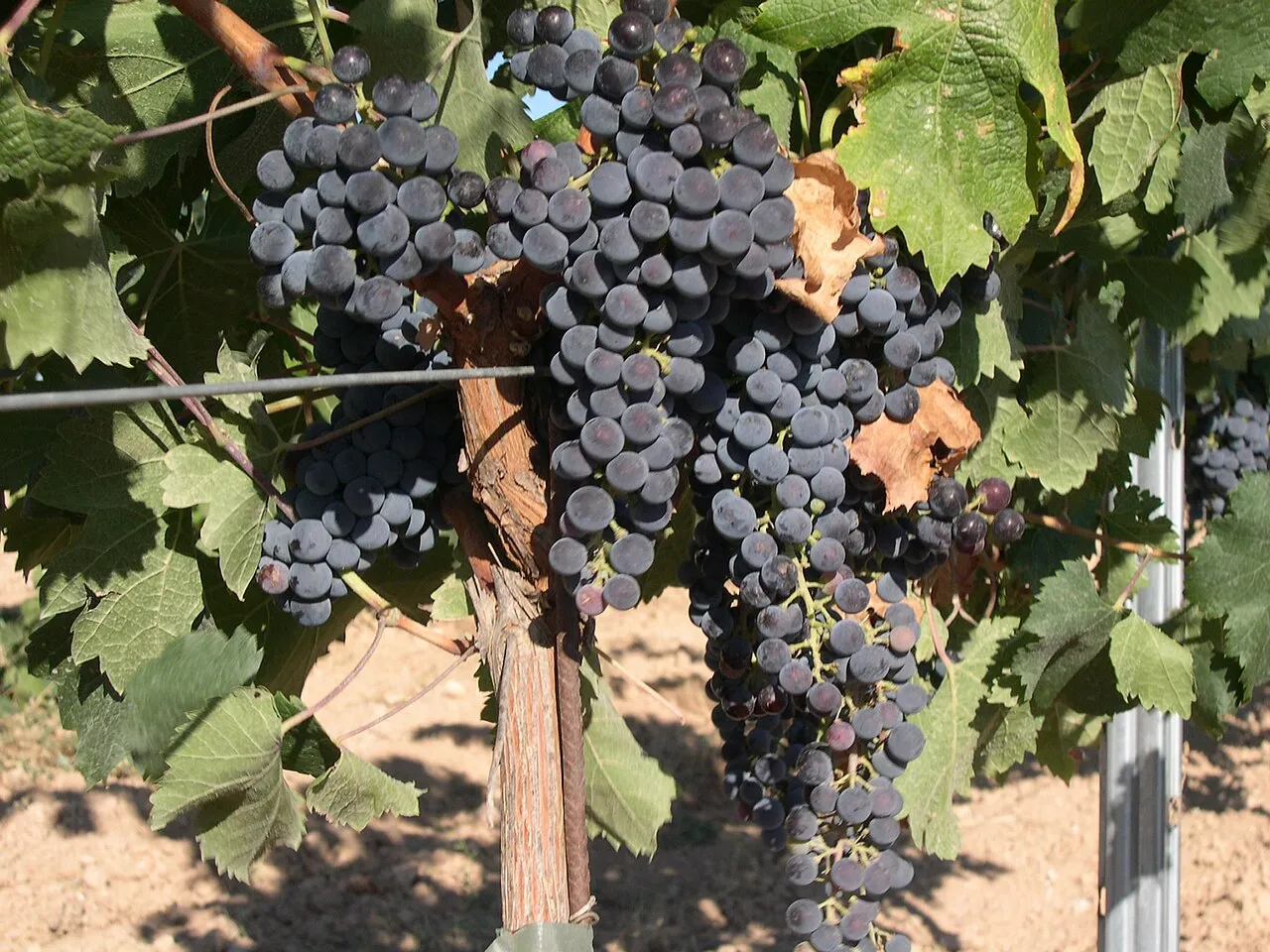
A Bordeaux grape south of the Alps
Ticino is the Italian-speaking Swiss canton, south of the Alps, around Lake Maggiore and Lake Lugano. Its vineyard has a rare feature: it is dominated by a single grape, which came from Bordeaux, merlot.
A history born of phylloxera
At the end of the 19th century, phylloxera ravaged European vineyards, Ticino included. Local varieties largely disappeared. Replanting was needed, on American rootstocks, as everywhere else (see rootstocks and phylloxera).
Merlot was chosen for this rebuilding. The first vines arrived around 1904 to 1906, and the first Ticino merlot wine was made in 1906. The grape then gradually took over, until it became the canton’s winemaking identity.
| Landmark | Figure |
|---|---|
| Vineyard area | About 1,100 ha |
| Share of merlot | More than 80% |
| Arrival of merlot | Around 1904 to 1906 |
| First merlot wine | 1906 |
| Other varieties | Bondola (local variety), cabernets, chardonnay, pinot noir, miscellaneous varieties |
Why merlot
The Ticino climate is milder and sunnier than that of northern Switzerland, but also wetter. Merlot, which ripens earlier than cabernet sauvignon, ripens there regularly. It gives soft, fruity wines, suited either to drinking young or to barrel ageing.
The comparison merlot or cabernet sauvignon explains why merlot does better in climates where the season is short or wet.
Merlot vinified as a white
Ticino has developed an original speciality: merlot bianco, a white wine made from black grapes. The grapes are pressed quickly, without maceration, so that the juice stays clear. This is the same process as that used for blanc de noirs in Champagne. The guide grape colour codes points out that the colour of a wine depends on winemaking as much as on the grape.
Red styles range from light wine, to be drunk young, to barrel-aged merlot, more structured, sometimes blended with cabernet sauvignon or cabernet franc.
From Bordeaux to Ticino
Merlot remains the leading grape of the Bordeaux area, presented on the Bordeaux page. Ticino shows how a grape can become the emblem of a region far from its cradle, like tannat in Uruguay or malbec in Argentina. The guide single variety or blend compares these two ways of building a wine.
Grapes mentioned in this feature
- Merlot (black, France, Bordeaux (Libournais))
- Cabernet sauvignon (black, France, Bordeaux area)
- Cabernet franc (black, France, South-West (Libournais probable))
- Chardonnay (white, France, Burgundy)
- Pinot noir (black, France, Burgundy)
Frequently asked questions
Since when has merlot been grown in Ticino?
Since the early 20th century. After the damage caused by phylloxera, the first merlot vines arrived around 1904 to 1906, and the first Ticino merlot wine was made in 1906.
What place does merlot hold in the Ticino vineyard?
More than 80% of a vineyard of about 1,100 hectares, according to the Ticino tourist board. It is one of the few vineyards in the world so dominated by one grape.
What is a white merlot?
It is a white wine made from merlot grapes, a black variety, pressed quickly so that the juice does not take on the colour of the skins. Ticino has made it a speciality, under the name merlot bianco.
Why does merlot succeed in Ticino?
The south side of the Alps has a milder, sunnier climate than northern Switzerland, with sometimes heavy rainfall. Merlot, an early-ripening grape compared with the cabernets, ripens there regularly.