Tannat, the grape that links the South-West and Uruguay
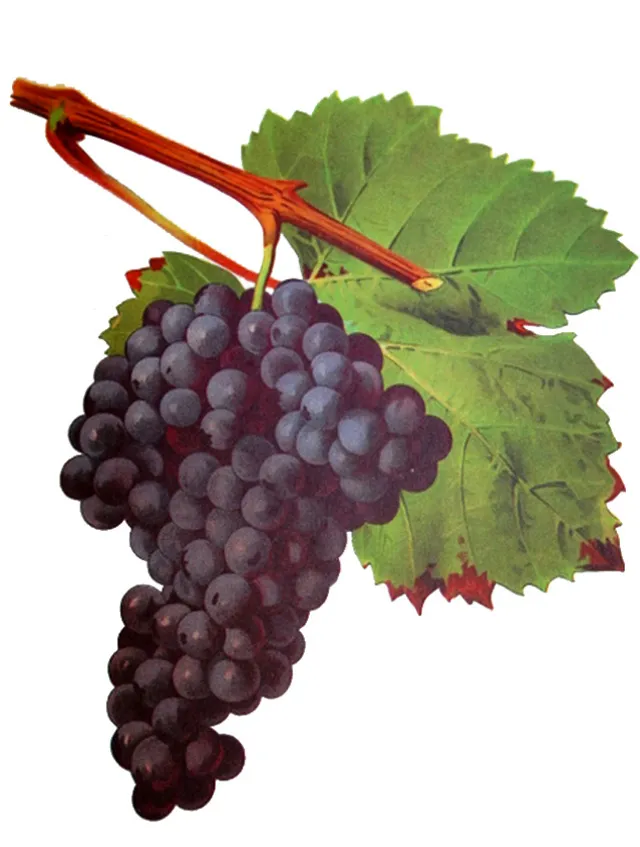
A grape of the Pyrenean foothills
Tannat originates from the Pyrenean foothills, between Béarn, Bigorre and the Basque Country. Its name evokes tannins, and this is no accident: its thick-skinned grapes give deeply coloured wines, rich in tannins and capable of long ageing.
Long confined to its home terroir, it is today one of the few South-West grapes known beyond the borders, thanks to an unexpected second homeland, Uruguay.
Tannat appellations in France
| Appellation | Place of tannat | Associated varieties |
|---|---|---|
| Madiran | At least 60% of the plantings | Cabernet franc, cabernet sauvignon, fer servadou |
| Saint-Mont | Main variety for reds | Pinenc (fer servadou), cabernets |
| Irouléguy | Main variety for reds | Cabernet franc, cabernet sauvignon |
| Béarn | Main variety for reds | Cabernets, fer servadou |
Madiran is its stronghold. The specification requires a majority of tannat, completed by cabernet franc, cabernet sauvignon and fer servadou, called pinenc in the region. These varieties soften the blend and add fruitier aromas.
In Irouléguy, in the Basque Country, tannat grows on terraced slopes at the foot of the Pyrenees. Saint-Mont, in the Gers, and Béarn also use it as the base of their reds.
Taming the tannins
A young tannat can be austere. Madiran growers have looked for ways to soften it without losing its structure: long ageing, blending with the cabernets, and micro-oxygenation, a technique of controlled oxygen supply developed in the appellation from the 1990s. The guide single variety or blend shows why such a marked grape often benefits from being blended.
Tannat is also one of the grapes richest in procyanidins, polyphenols studied for their effects on health. This richness explains its colour and structure; it does not make the wine a health food.
The crossing to Uruguay
In the 19th century, many Basques emigrated to South America. Some took vine cuttings with them. In Uruguay, tannat became established under the name harriague, after Pascual Harriague, one of the first to grow and spread it.
The grape adapted well there, to the point of becoming the country’s national grape. Uruguay is today the main producer of tannat outside France and makes the grape its export signature.
Two styles, one grape
| Criterion | Madiran | Uruguay |
|---|---|---|
| Blend | Imposed (at least 60% tannat) | Often single-variety, sometimes blended with merlot |
| Mention of the grape | Rarely on the label | Highlighted |
| Common style | Structured, for ageing | Often softer and fruitier |
The difference in labelling comes down to the rules: a French AOC highlights the place, whereas New World countries sell a grape first. The guide grape variety on the label sets out these rules.
Going further
The South-West page presents all the grapes of the region, and the guide forgotten grapes of the South-West recalls the varietal diversity of the Pyrenean foothills. Merlot, another grape sometimes blended with tannat in Uruguay, has its own page.
Grapes mentioned in this feature
- Tannat (black, France, South-West (Pyrenean foothills))
- Cabernet franc (black, France, South-West (Libournais probable))
- Cabernet sauvignon (black, France, Bordeaux area)
- Fer servadou (black, France, South-West)
- Merlot (black, France, Bordeaux (Libournais))
Frequently asked questions
What share of tannat is there in a Madiran?
The specification requires at least 60% tannat in the plantings. It is completed by cabernet franc, cabernet sauvignon and fer servadou.
Why is tannat so tannic?
Its berries have thick skins and many seeds, rich in phenolic compounds. Young wines are often hard; ageing, blending and techniques such as micro-oxygenation, developed in Madiran, are used to soften these tannins.
How did tannat reach Uruguay?
It was brought in the 19th century by Basque immigrants. The name harriague, long used locally, comes from Pascual Harriague, one of the first to grow it in the country.
Does a Uruguayan tannat resemble a Madiran?
Both share the colour and structure of the grape. Uruguayan tannats are often described as softer and fruitier, but the style depends mostly on the producer and the ageing.