Trousseau: a well-travelled Jura grape, bastardo in Portugal
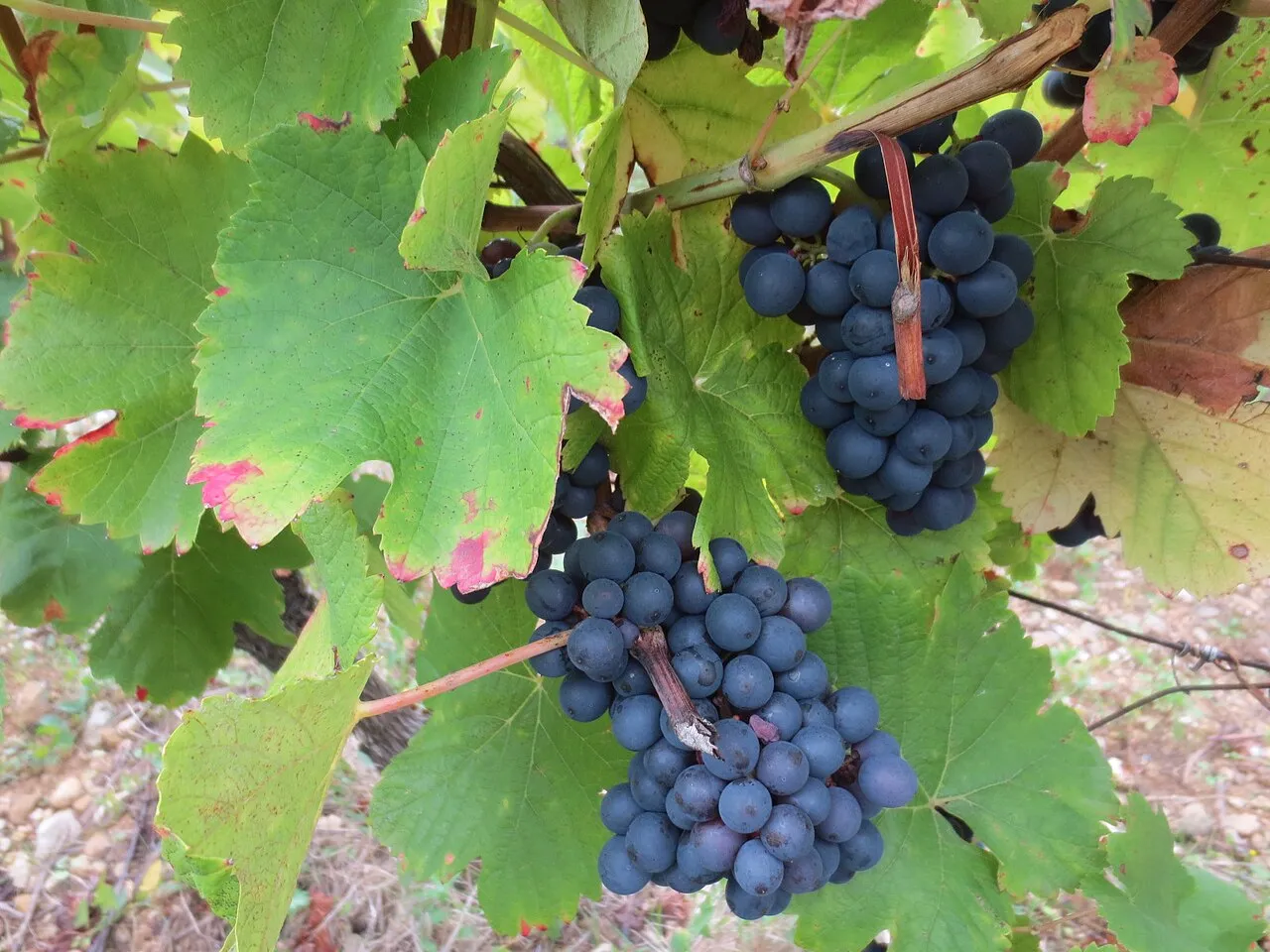
Profile: Trousseau
| Berry colour | Black grape (N) |
|---|---|
| Species / status | Vitis vinifera |
| Origin | France, Jura |
| Parentage | Parent-offspring relationship with savagnin (DNA analysis), second link not established |
| Synonyms | Bastardo (Portugal), Merenzao (Galicia), María Ordoña (Spain), Trousseau noir |
| French regions | Jura |
| Grown in | France, Portugal, Spain, United States, Australia, Argentina |
| Typical aromas | cherry, redcurrant, strawberry, pepper, spices, forest floor |
| Wine style | Reds more coloured and more structured than poulsard, spicy, with fresh acidity and good ageing potential. |
| Food pairings | game birds, Bresse poultry, coq au vin jaune, aged Comté |
| Identifiers | VIVC no. 12668, Wikidata Q63319 |
Origin: an old Jura grape
Trousseau is an old black grape from eastern France, in the Jura, where it was once more widely grown. Together with poulsard and pinot noir, it is one of the three black grapes of the Jura vineyard.
Its parentage has been clarified by DNA: it has a parent-offspring relationship with savagnin, the great white grape of the Jura. As savagnin is also linked to chenin and sauvignon blanc, trousseau belongs to this large family. See DNA parentage of grape varieties.
The angle to know: a Jura grape more planted in Portugal
Trousseau is a striking example of a well-travelled grape whose identity was revealed only by genetics. DNA analyses have established that the Jura’s trousseau is the same grape as:
| Name | Country or region | Main use |
|---|---|---|
| Trousseau | Jura (France) | Reds of Arbois and Côtes du Jura |
| Bastardo | Portugal (Douro, Dão) | Blends, notably for port |
| Merenzao | Galicia (Spain) | Reds of Ribeira Sacra, Valdeorras |
| María Ordoña | Spain | Local name |
Paradoxically, it is Portugal that has the largest area of this grape, mainly for port blends and some Dão reds. There it grows alongside touriga nacional in particular. This case shows the value of genetic comparisons between collections, presented in the guide synonyms and homonyms.
In the vineyard
Trousseau is a grape that demands heat. In the Jura, it needs more sun than the other grapes to ripen, and prefers gravelly, warm, well-drained soils rather than the cooler marls where poulsard thrives. It also appreciates a dry climate at the end of the season.
These requirements explain why it covers only a small share of the Jura vineyard, concentrated in the most favourable areas, notably around Arbois and Montigny-lès-Arsures.
The wines
Trousseau makes wines that are more coloured and more structured than poulsard, with aromas of cherry, redcurrant, strawberry, pepper and spice. Its fresh acidity allows it to age well.
It is:
- vinified on its own, notably in the Arbois appellation;
- blended with poulsard and pinot noir, to give them colour and backbone;
- used occasionally for crémants and rosés.
To compare the two local black grapes:
| Criterion | Trousseau | Poulsard |
|---|---|---|
| Wine colour | Medium to deep | Very pale |
| Tannins | More present | Very light |
| Heat requirement | High | Lower |
| Preferred soils | Gravel, warm soils | Marls |
Where it is grown
In France, trousseau is practically confined to the Jura. Outside France, it is found in Portugal (bastardo), Spain (Galicia), and more occasionally in California, Australia and Argentina.
Genealogy of Trousseau
Identified parents (Wikidata): Savagnin.
Frequently asked questions
Is trousseau the same grape as bastardo?
Yes. DNA analyses have shown that the Jura's trousseau and Portugal's bastardo are one and the same variety. The grape is also known in Galicia as merenzao and elsewhere in Spain as María Ordoña.
Why is little trousseau planted in the Jura?
It needs more heat than the other Jura grapes to ripen, and prefers gravelly, warm, well-drained soils. These requirements confine it to a few favourable areas, notably around Arbois. It accounts for only a small share of the Jura vineyard.
What is the difference between trousseau and poulsard?
Both are black Jura grapes, but poulsard makes very pale, light wines, while trousseau makes more coloured, more tannic and spicier wines. They are often blended, with trousseau bringing structure and colour.
Is trousseau linked to savagnin?
Yes. DNA indicates a parent-offspring relationship between trousseau and savagnin, although the direction of descent has not been established with certainty in the sources consulted. This parentage links it to other grapes related to savagnin, such as chenin and sauvignon blanc.
Related grapes
- Poulsard (black, France, Jura)
- Savagnin (white, Europe, precise origin debated (Jura and Central Europe))
- Pinot noir (black, France, Burgundy)
- Chenin blanc (white, France, Loire Valley (Anjou-Touraine))
- Sauvignon blanc (white, France, Loire Valley or South-West France)
- Touriga nacional (black, Portugal, probably Dão)
- Duras (black, France, Tarn (Gaillac))
- Sylvaner (white, Central Europe, probably Austria)